Assam Koilamari Summer Black
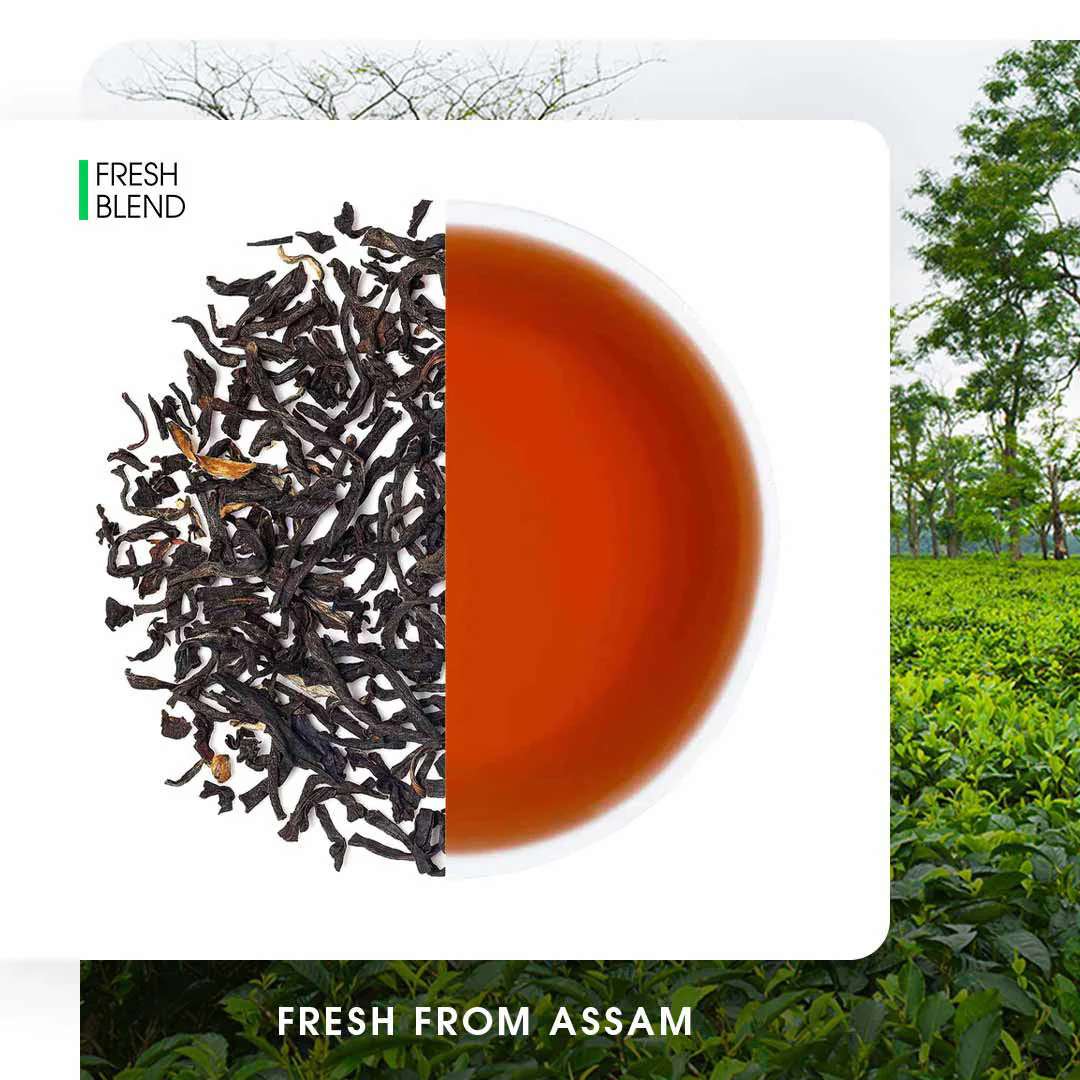
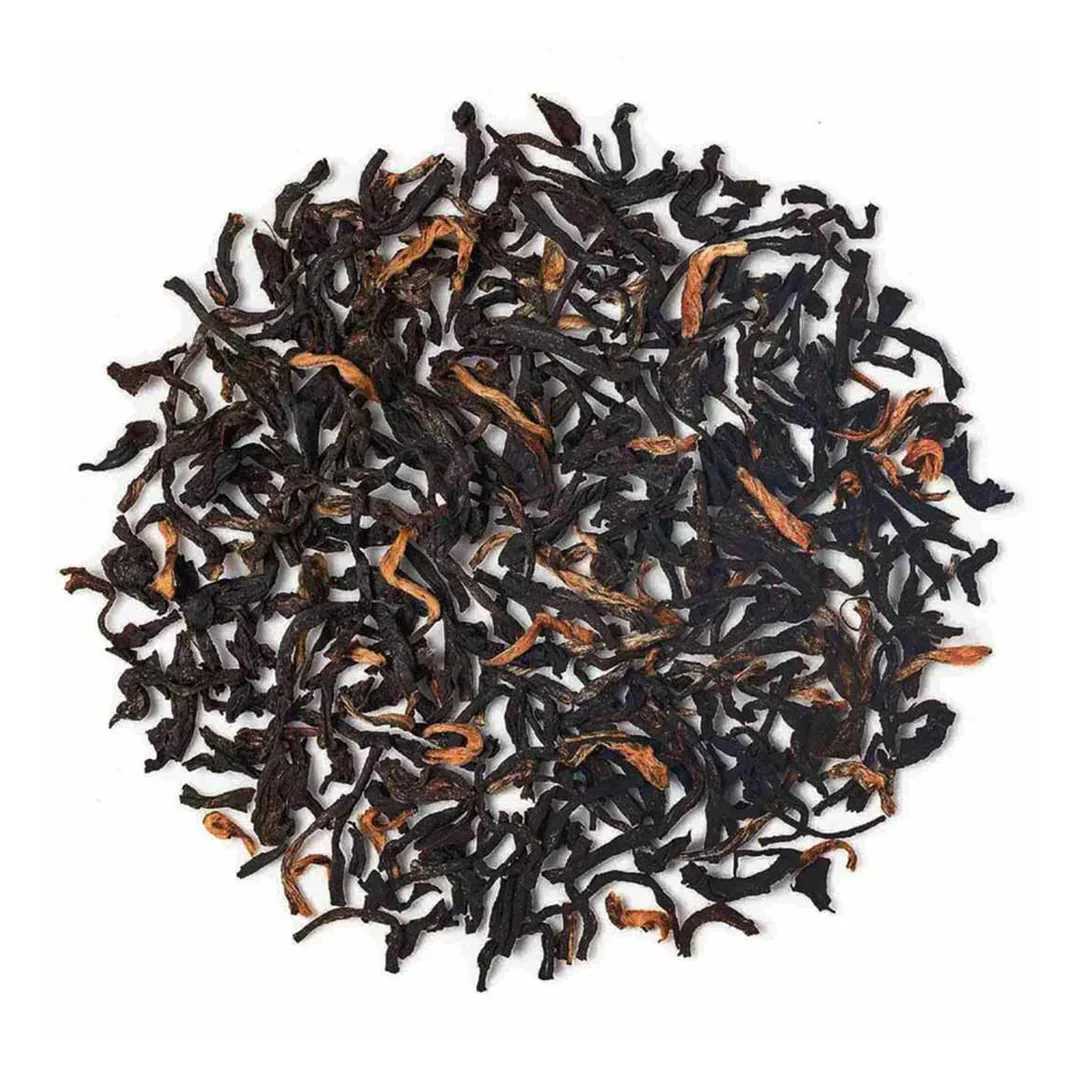
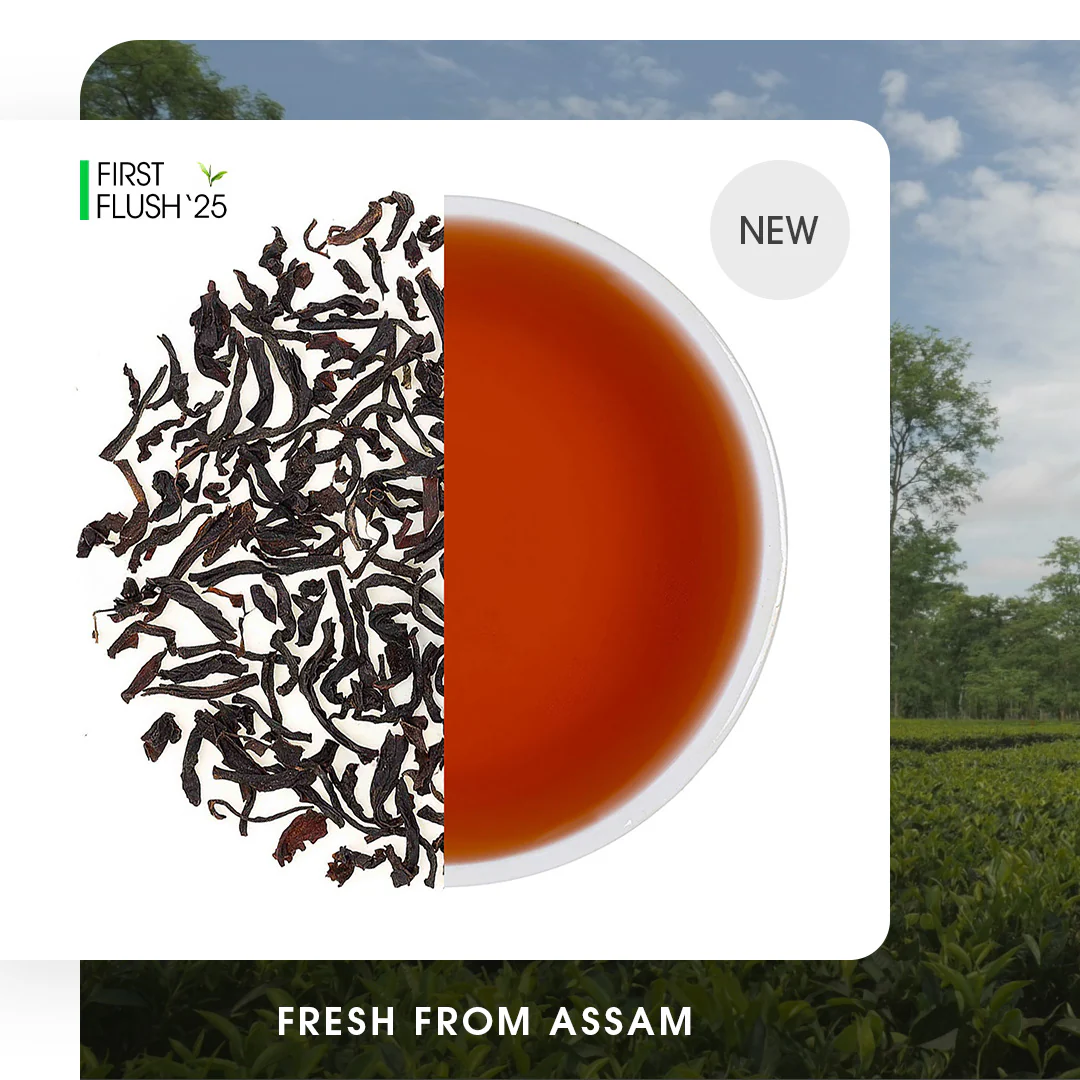
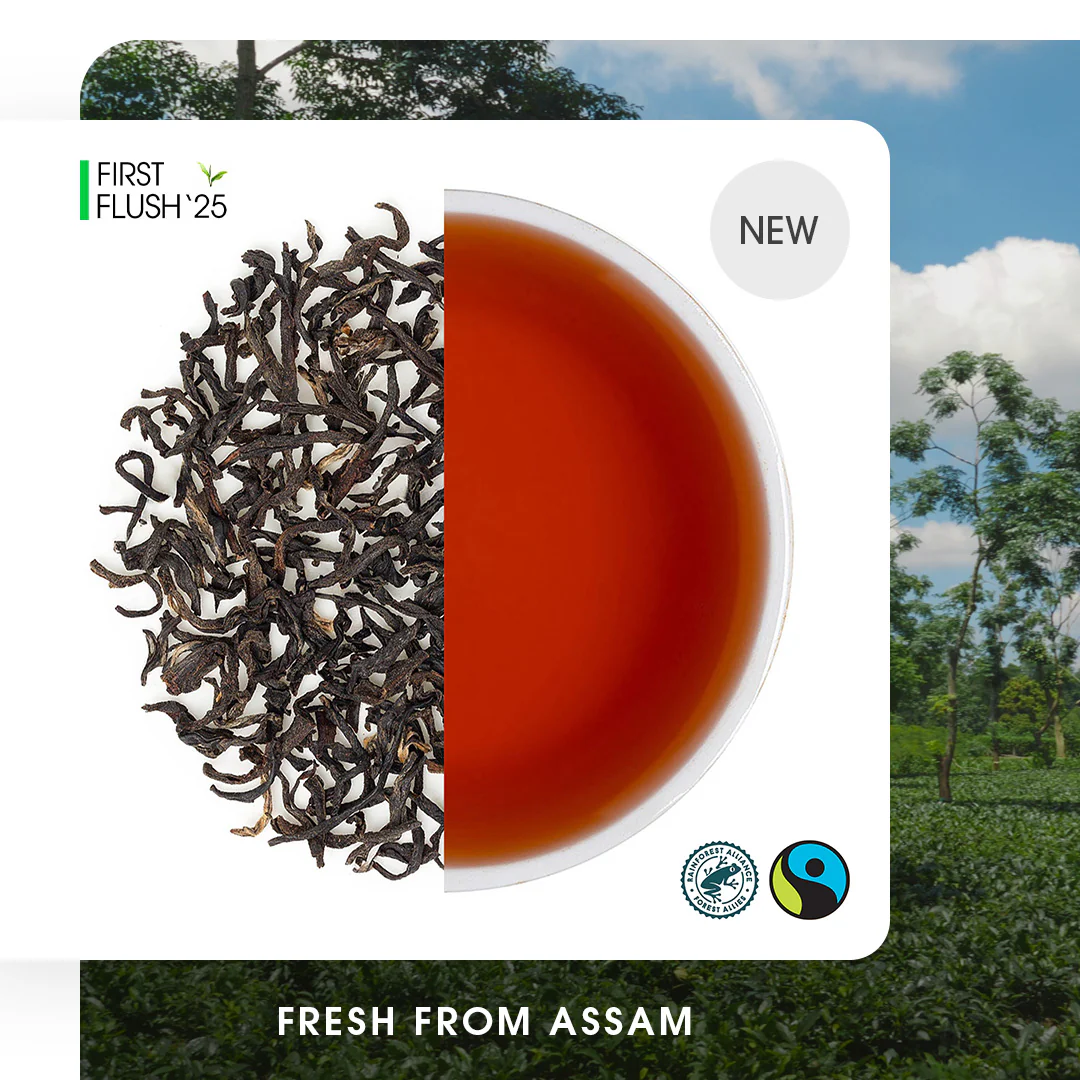
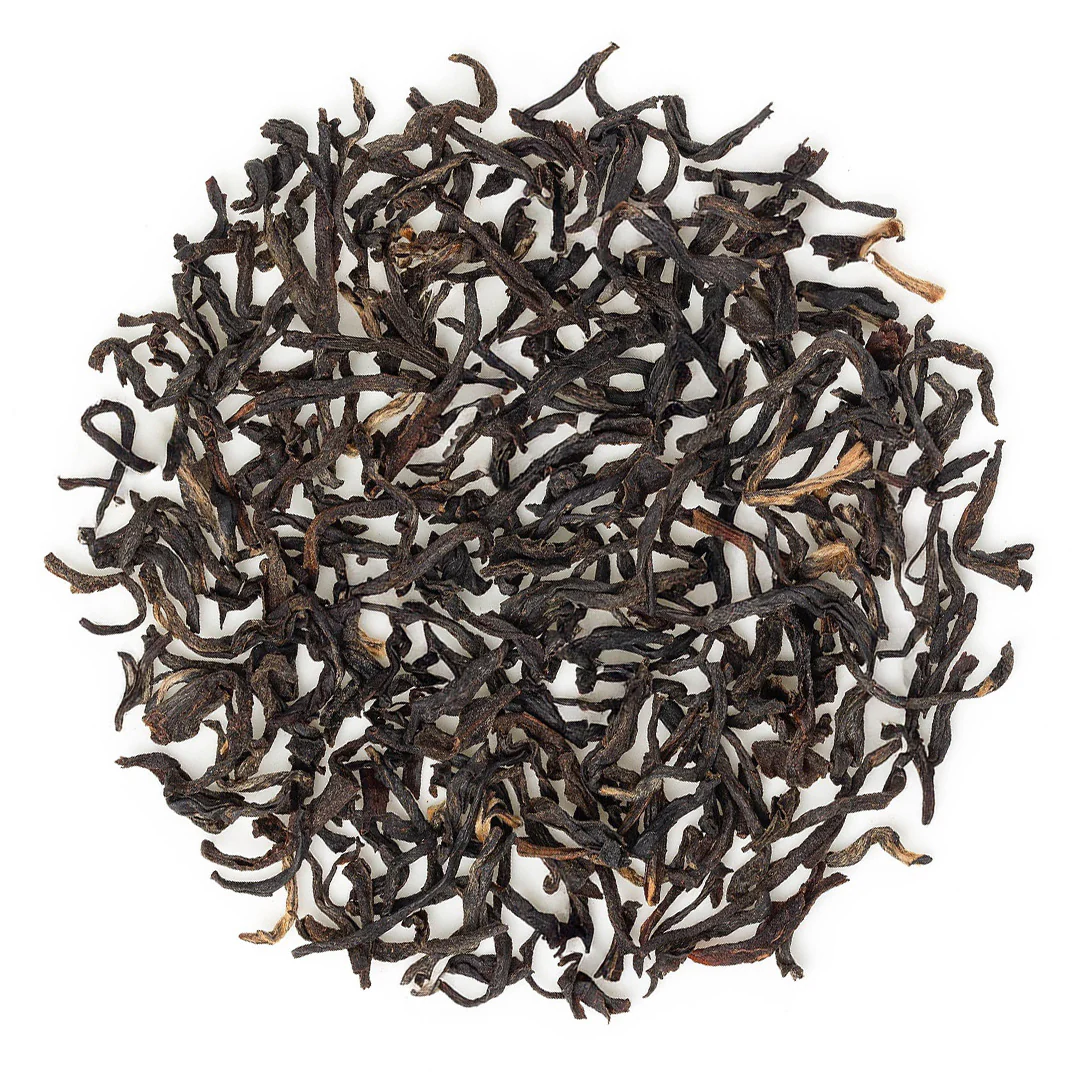
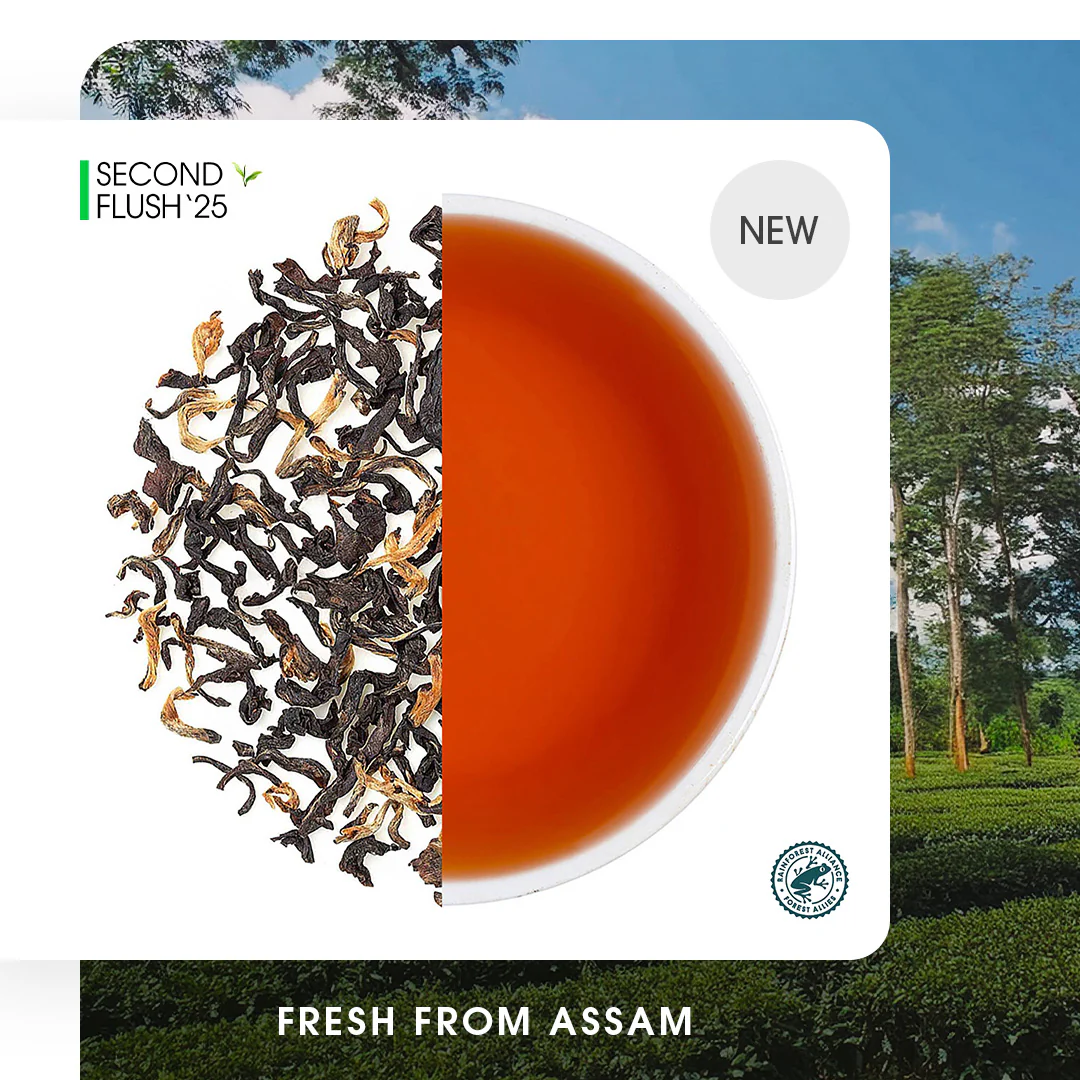
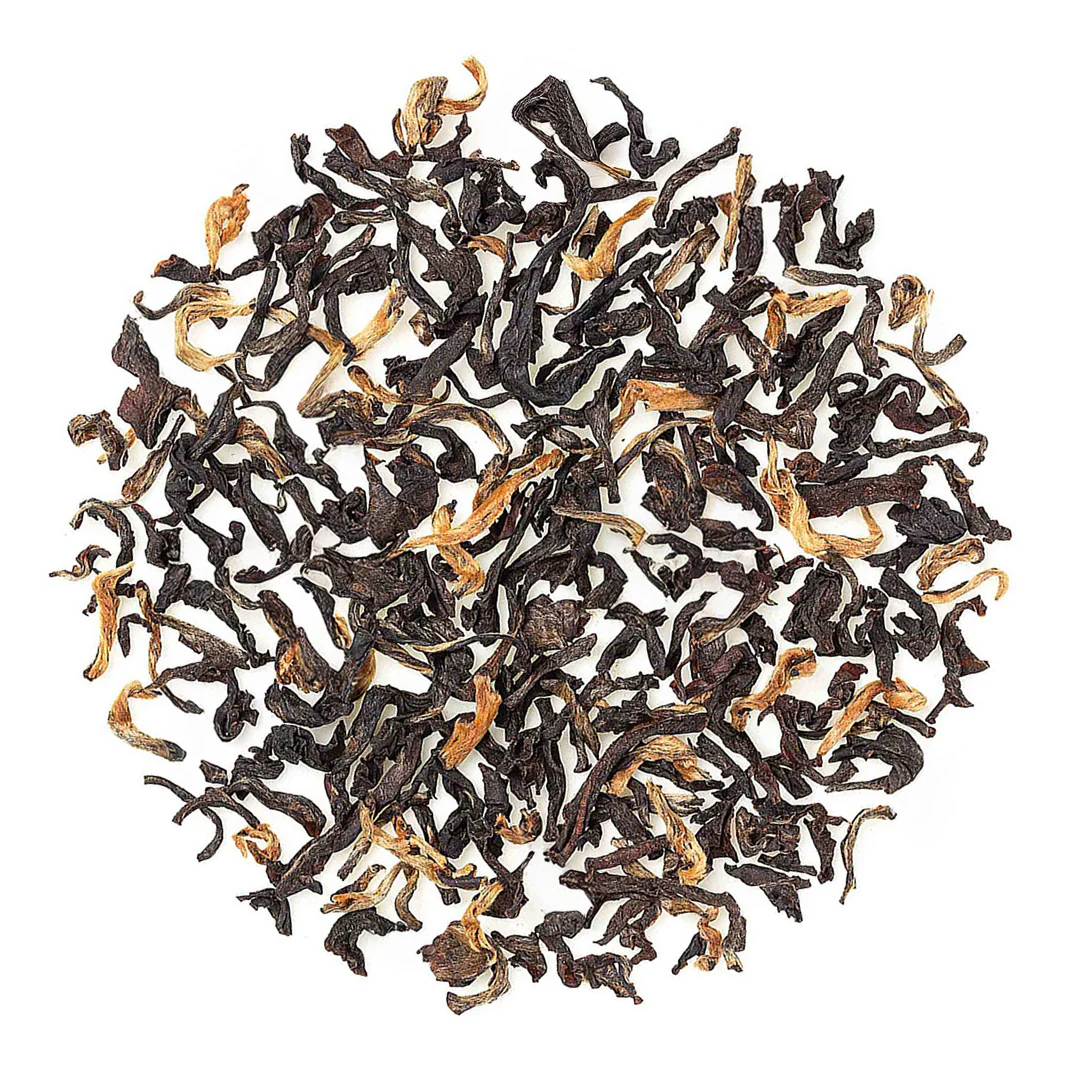
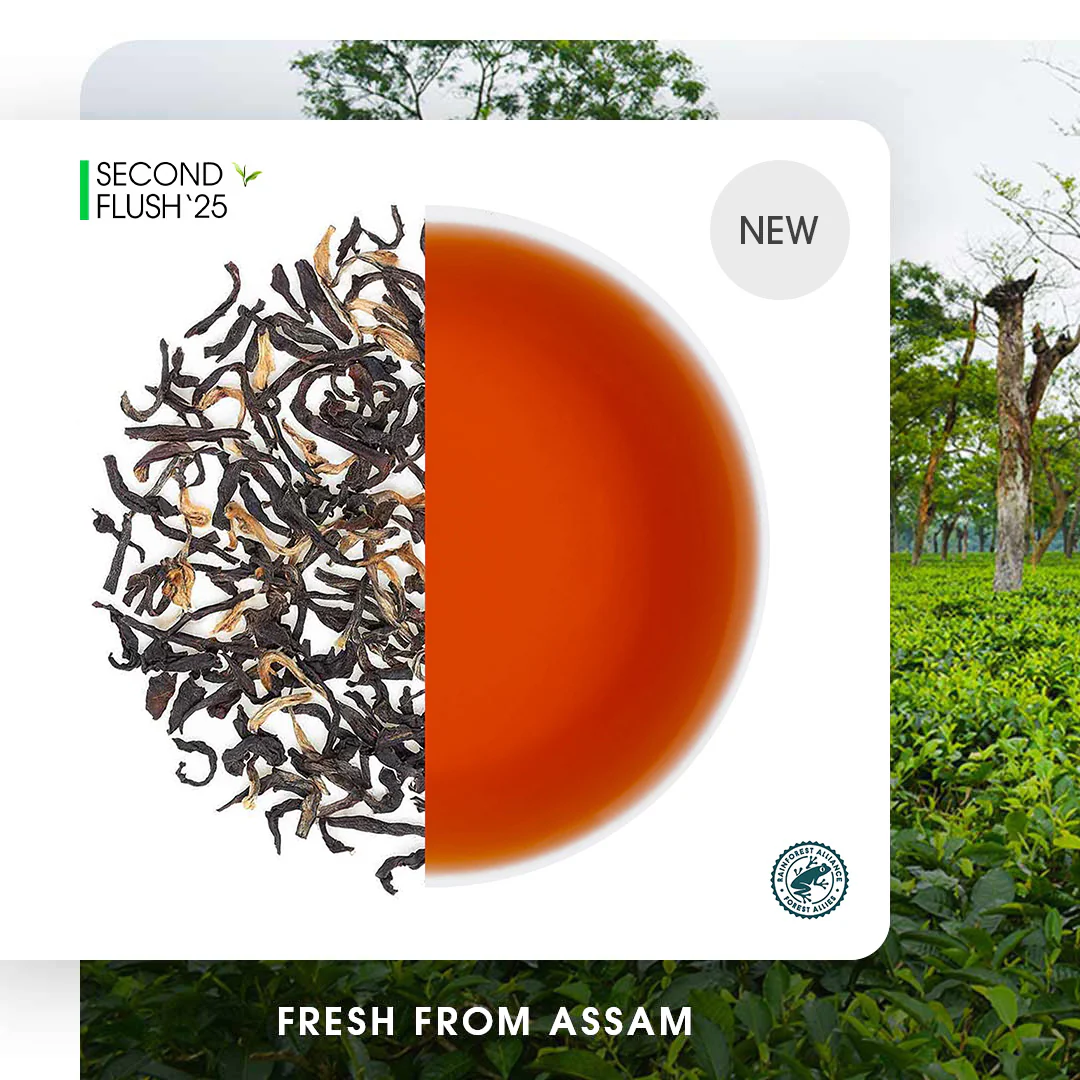
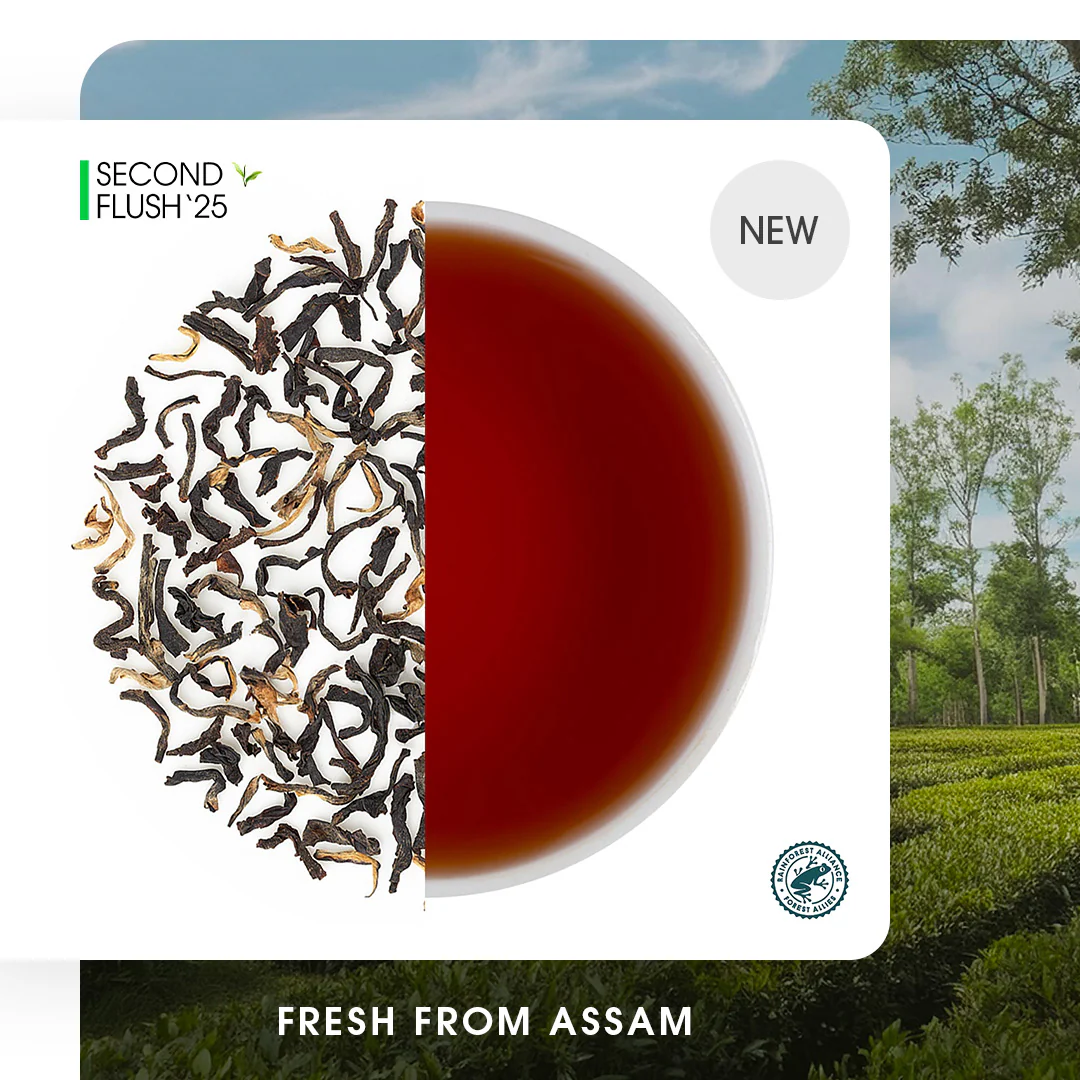
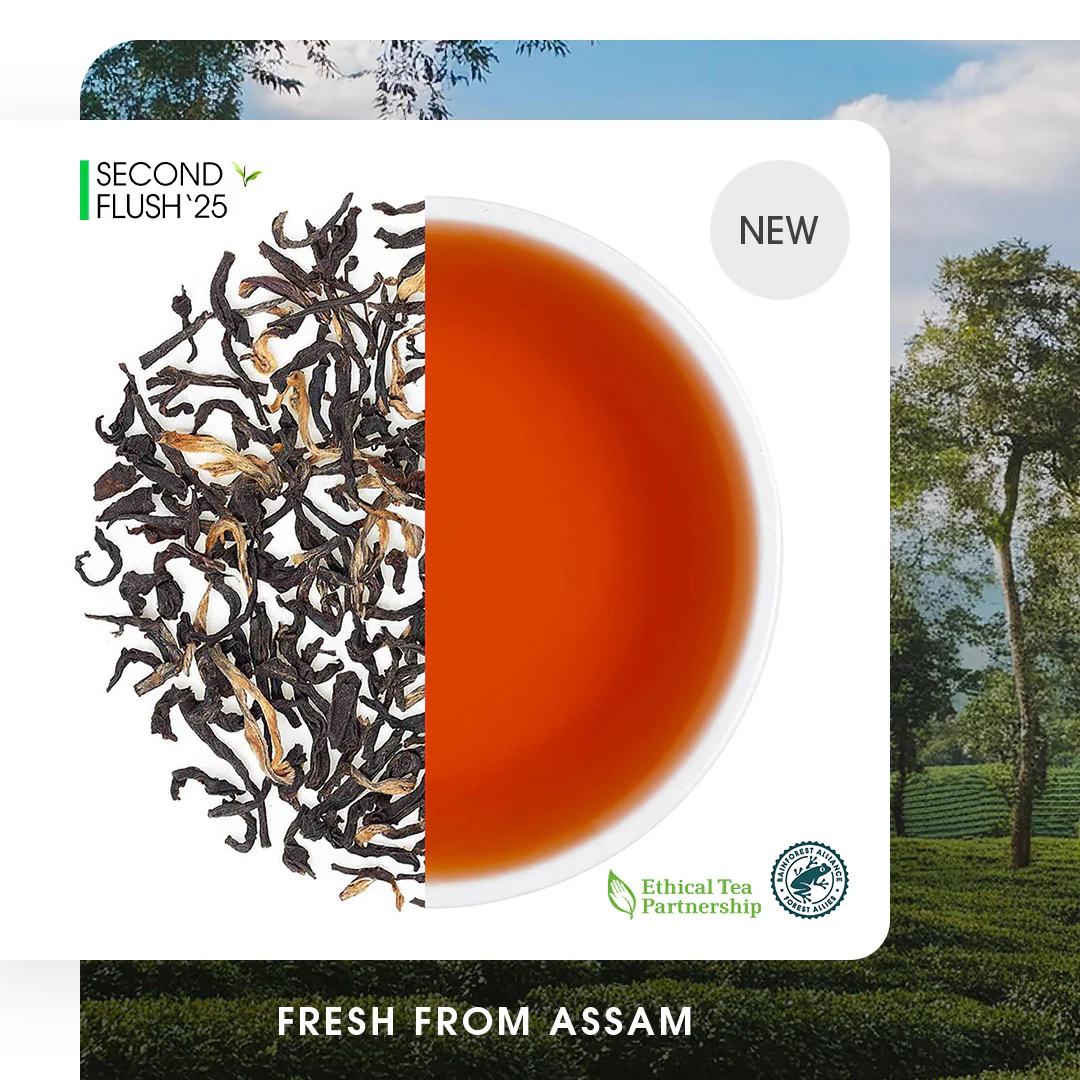
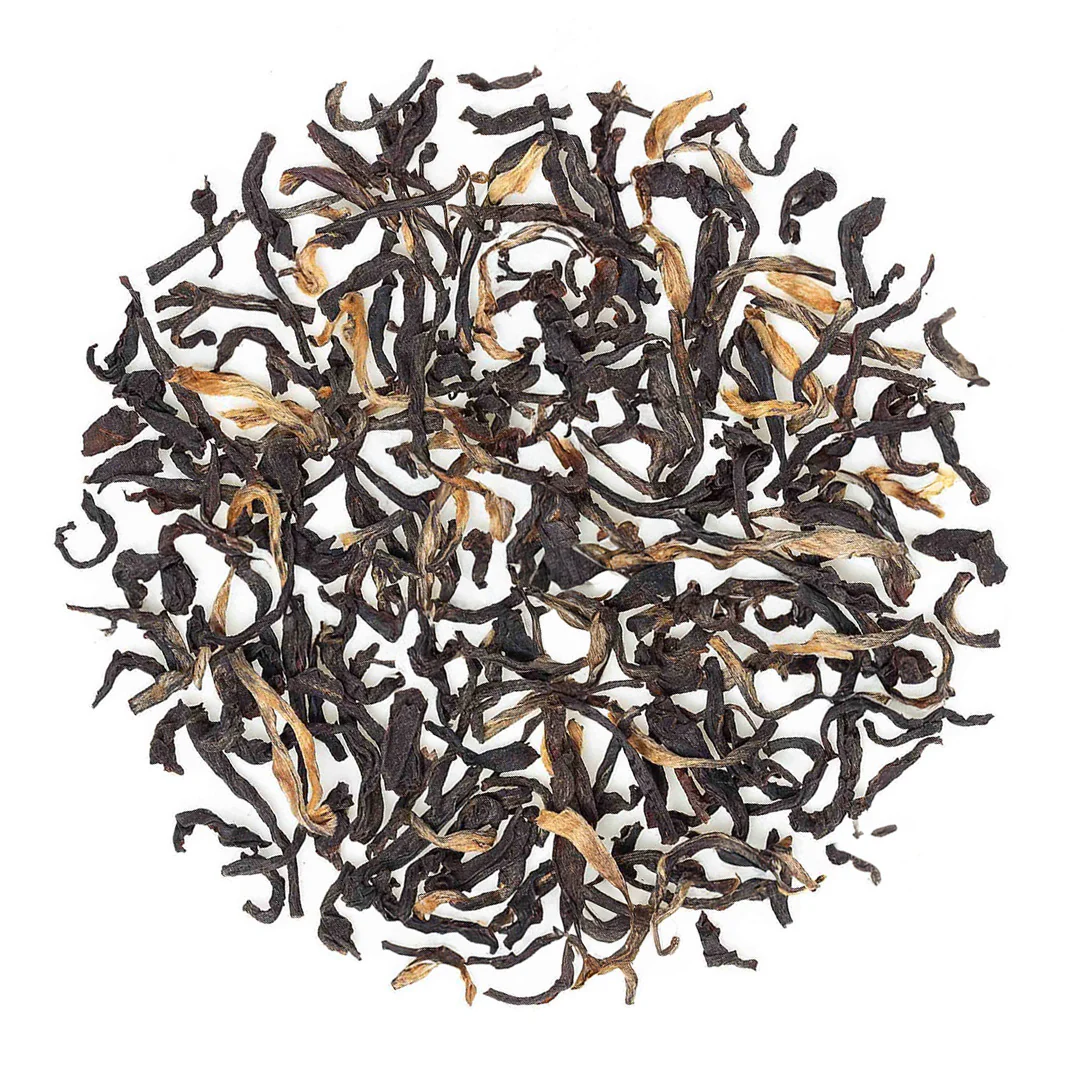
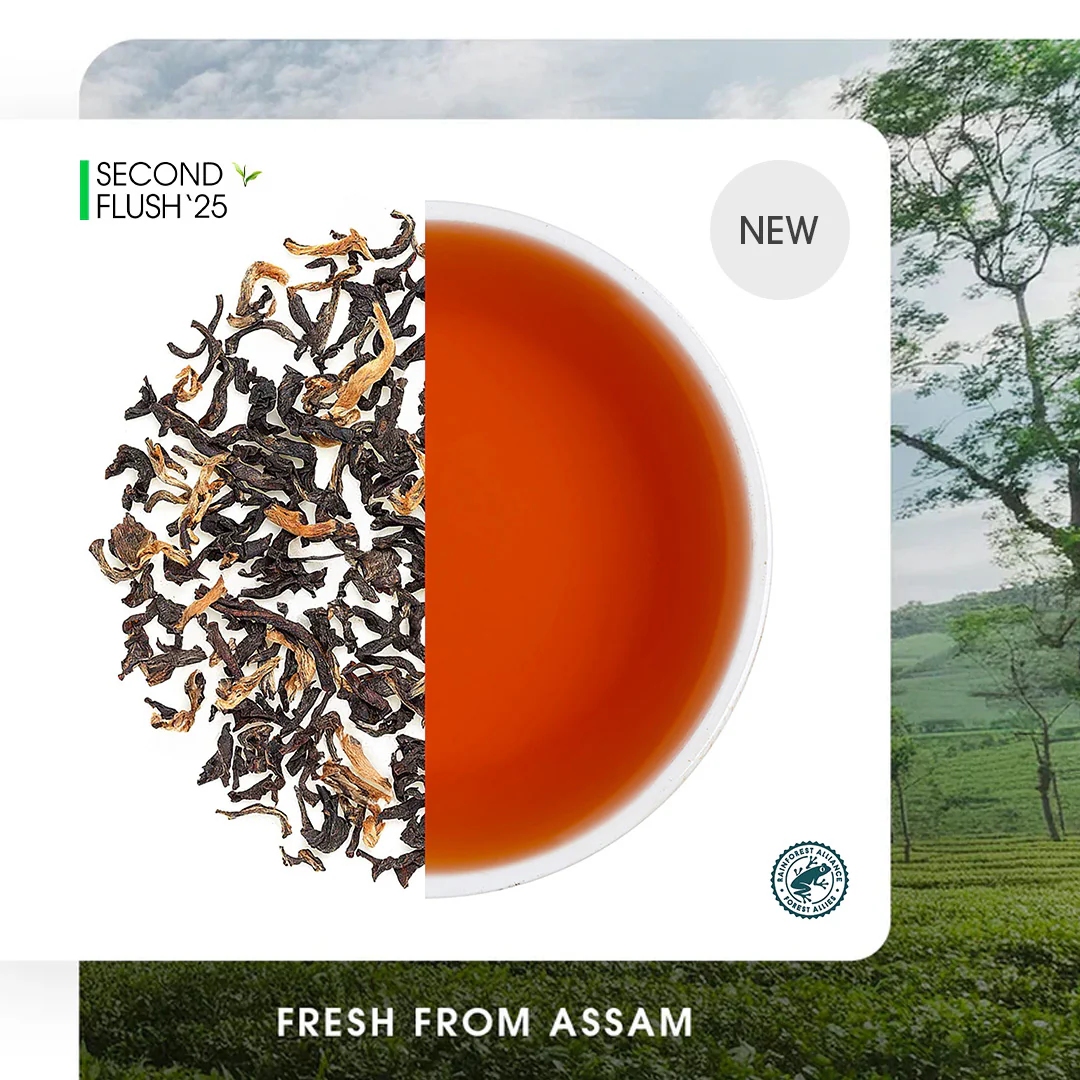
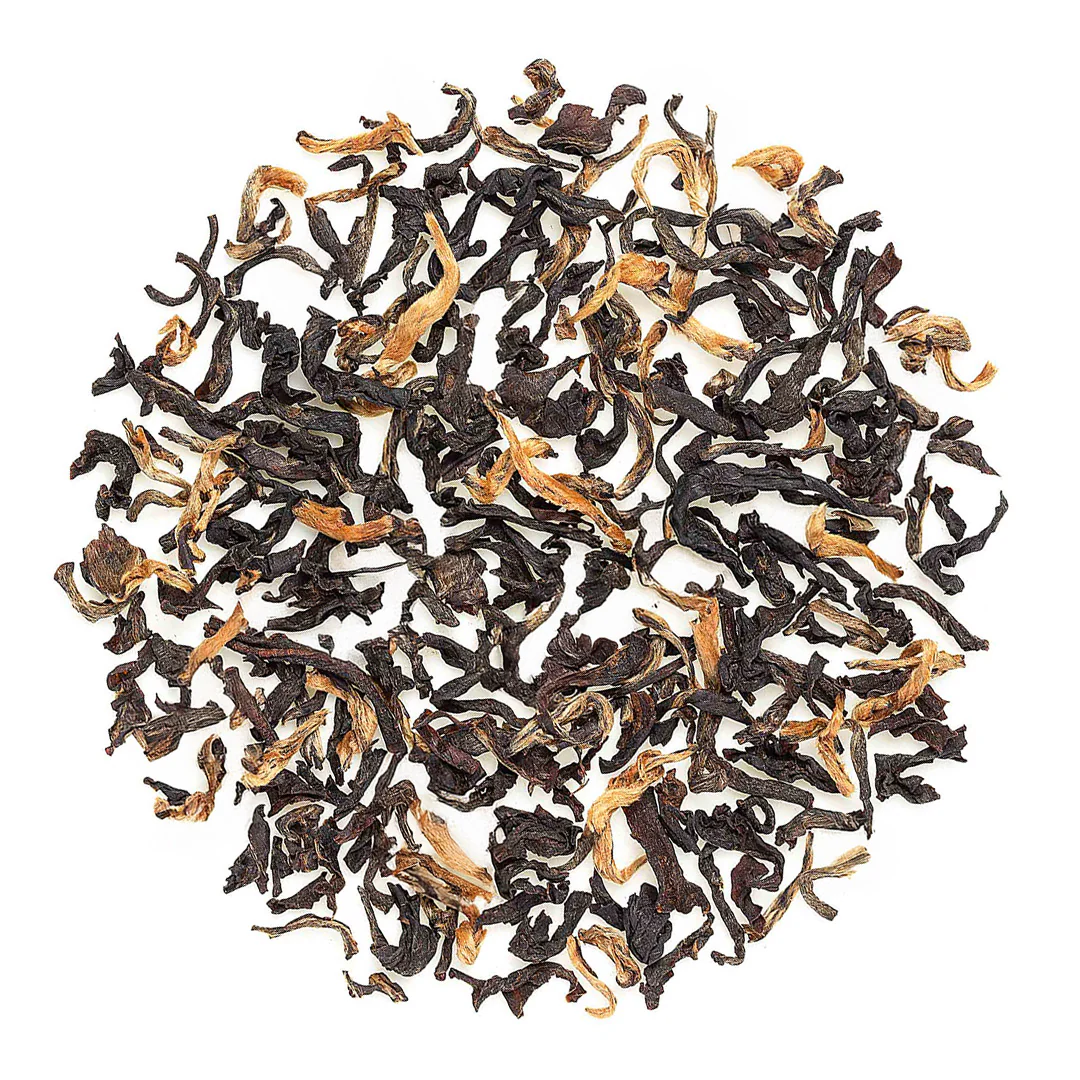
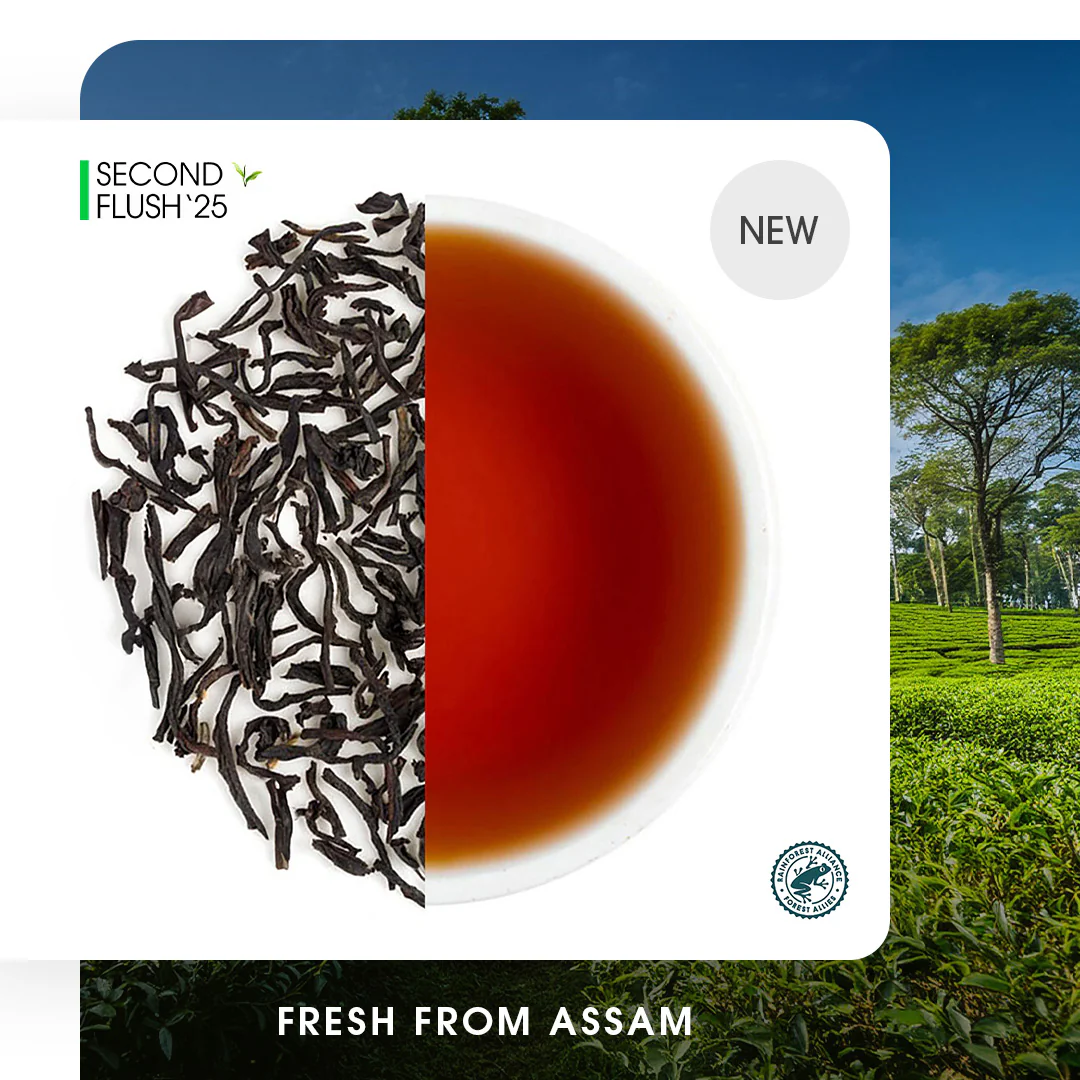
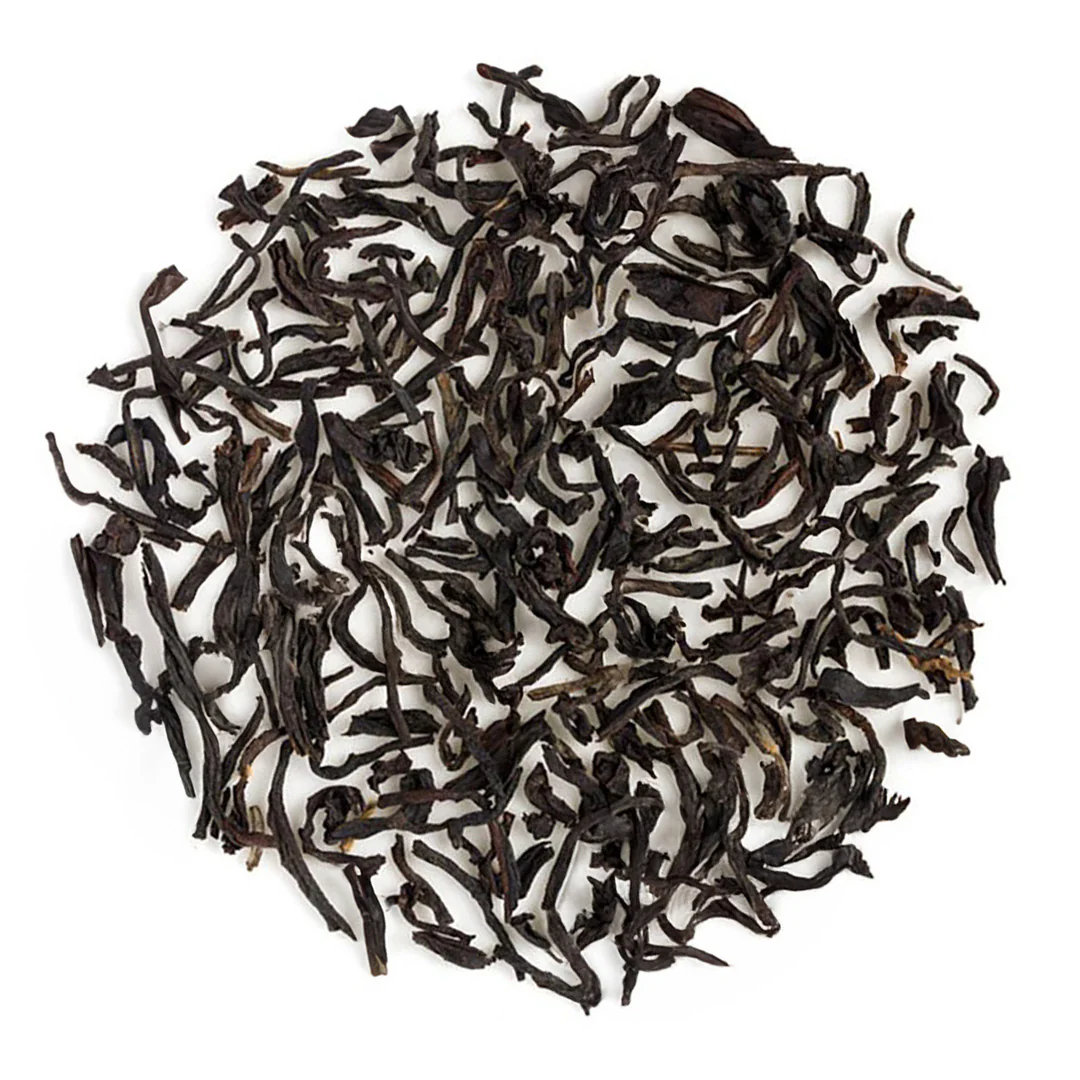
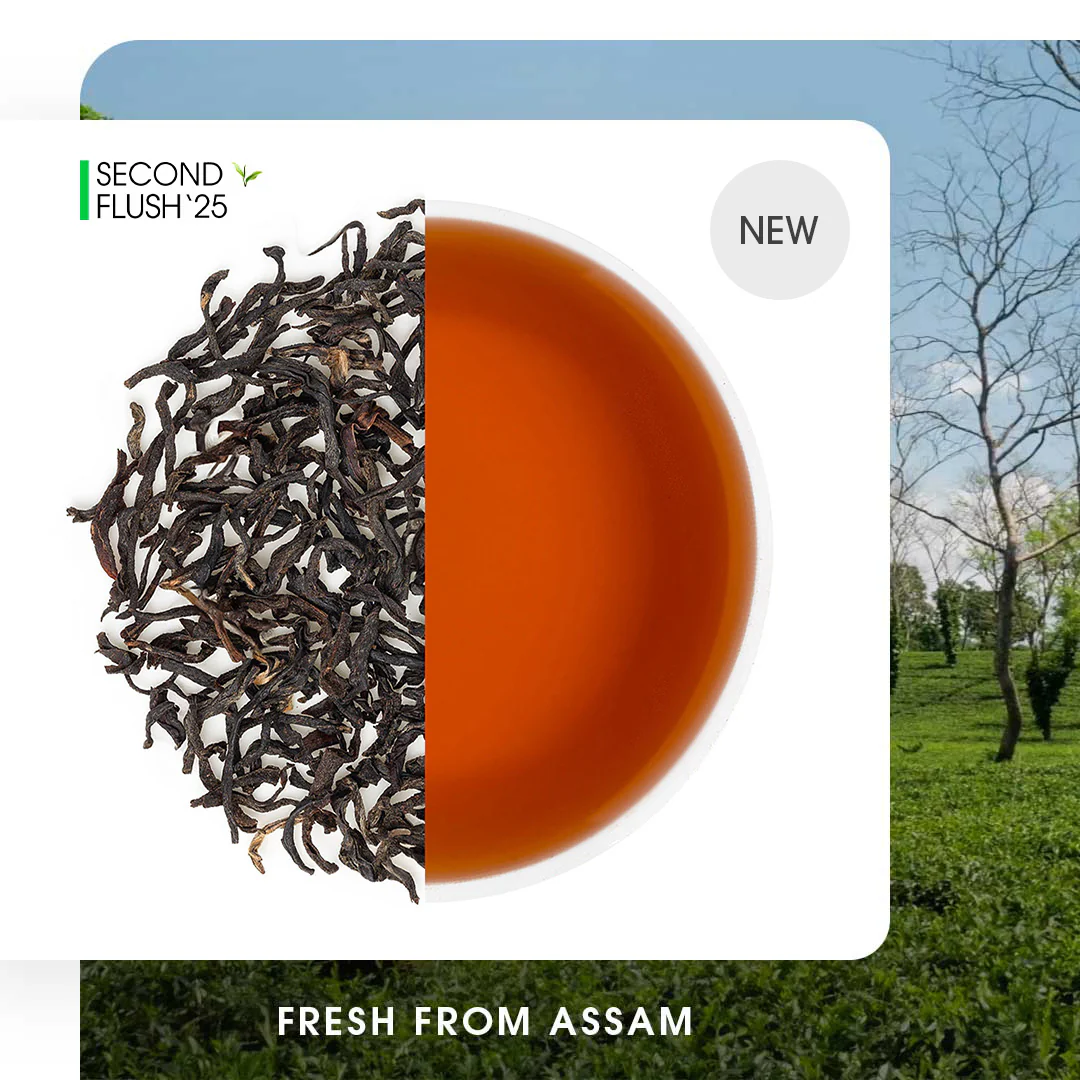
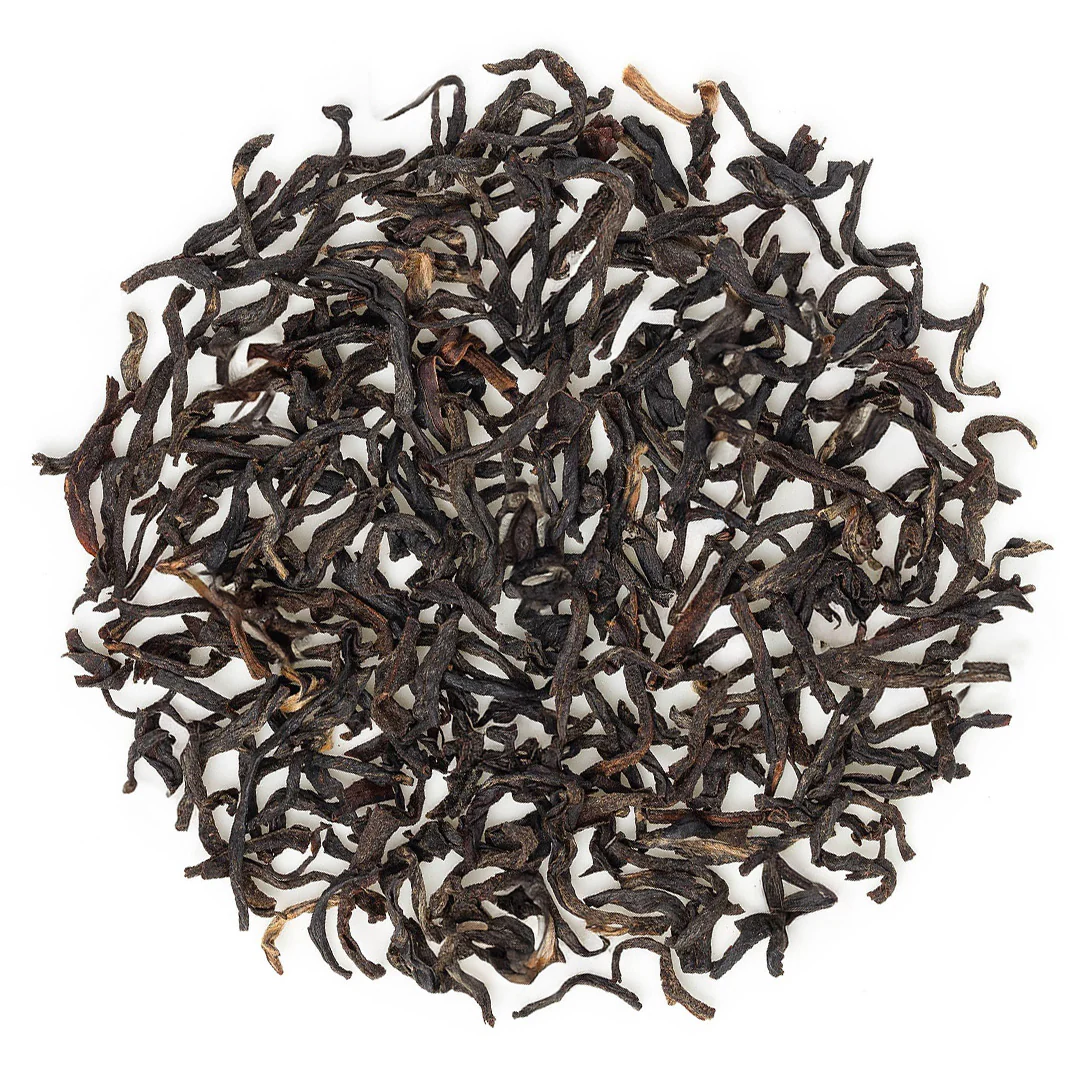
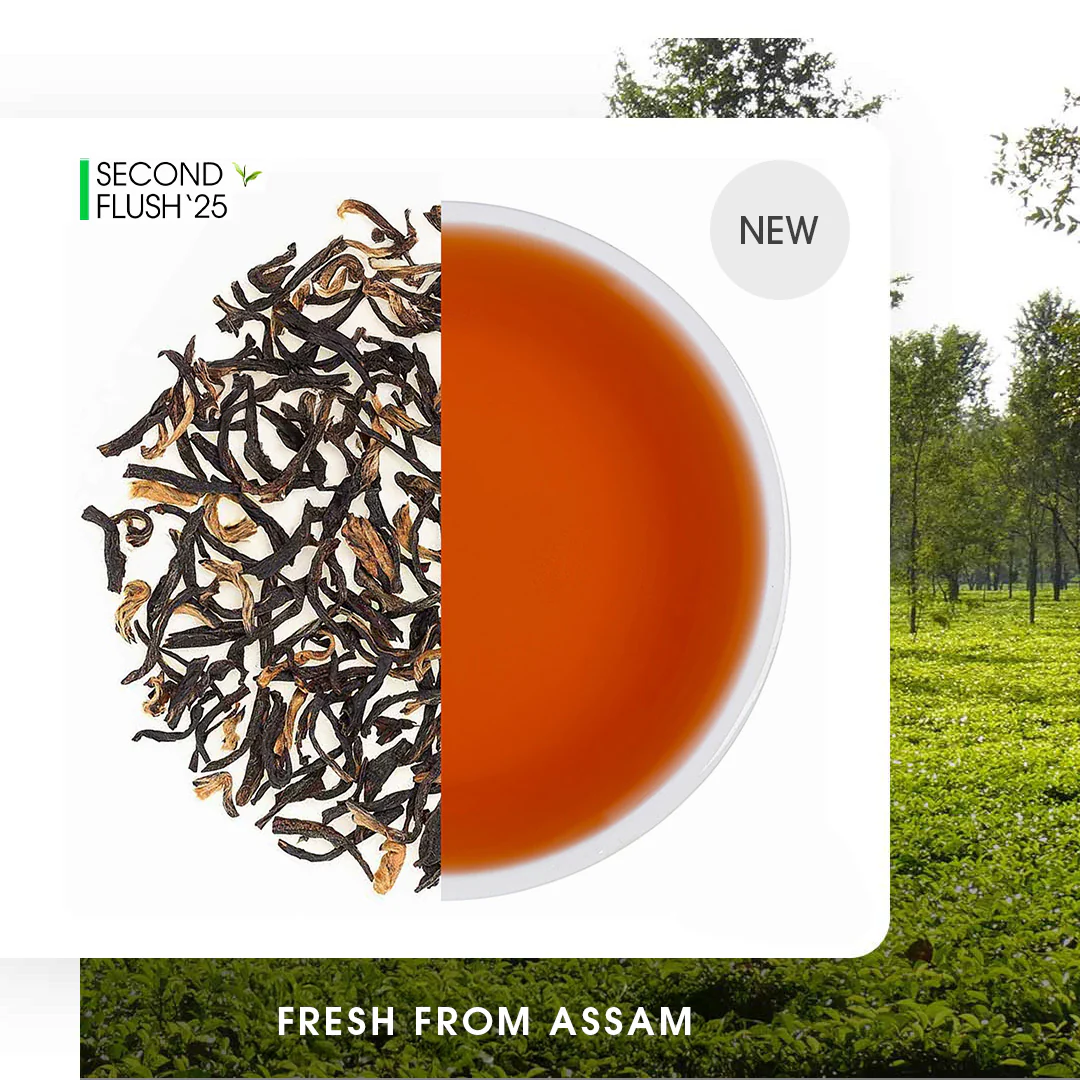
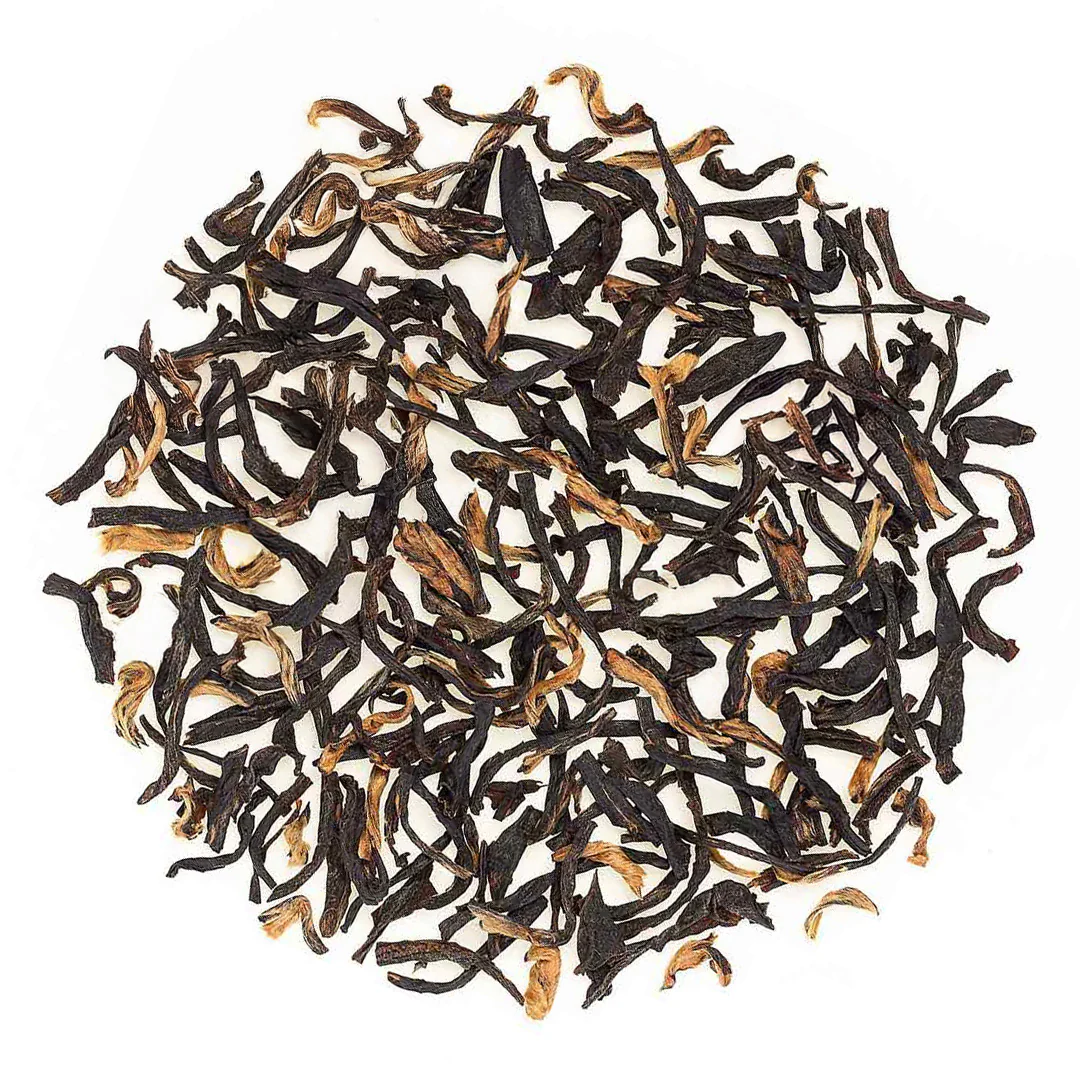
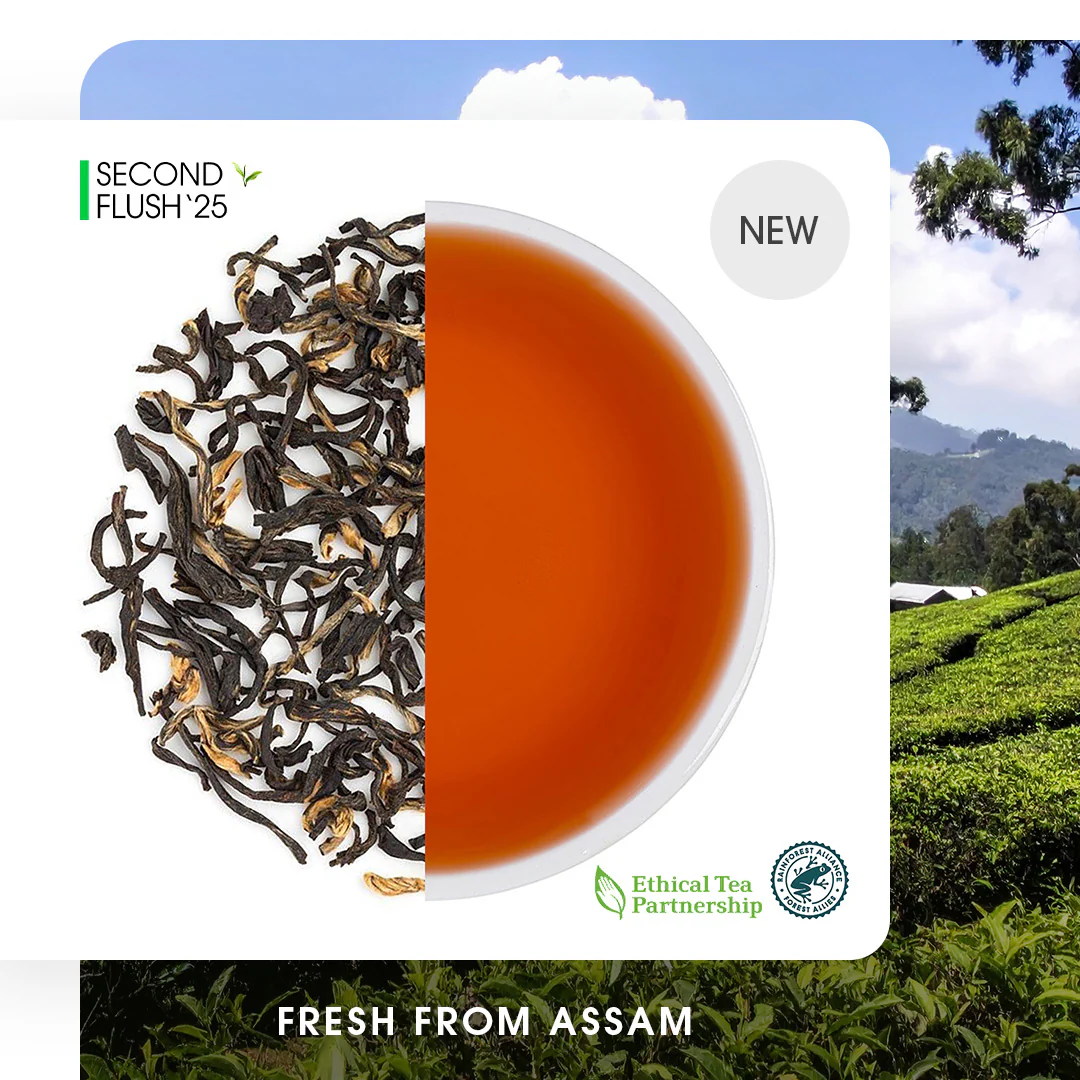
Cradled on the fertile north bank of the Brahmaputra River, Koilamari Tea Estate thrives where nature meets legacy. Blessed with ideal climatic conditions and bordered by the lush forests of Arunachal Pradesh, the estate produces teas that are both spirited and soulful. What sets Koilamari apart is the rare balance it achieves in the cup—a brightness typical of Assam’s northern banks, complemented by the maltiness and depth more often found in teas from the south.
But Koilamari is more than just terroir—it’s a story steeped in history. Its name, drawn from the Hindi word ‘Koila’ (coal), harks back to a time when the region’s soil was rich in coal deposits, mined until the early 1980s. Today, the estate comprises two divisions: the main Koilamari division and Joyhing, once a separate and even larger estate named after the ‘Hing’ (asafoetida) trees that once thrived there. In 1969, a devastating flood along the Ranganadi River swept away Joyhing’s factory, prompting the merger of the two gardens—a union of resilience and renewal.
Today, Koilamari continues to craft premium orthodox and CTC teas—rooted in tradition, yet shaped by nature’s quiet brilliance. Each cup reflects a unique microclimate, rich biodiversity, and generations of artisanal skill—making it a true gem of Assam.
Cradled on the fertile north bank of the Brahmaputra River, Koilamari Tea Estate thrives where nature meets legacy. Blessed with ideal climatic conditions and bordered by the lush forests of Arunachal Pradesh, the estate produces teas that are both spirited and soulful. What sets Koilamari apart is the rare balance it achieves in the cup—a brightness typical of Assam’s northern banks, complemented by the maltiness and depth more often found in teas from the south.
But Koilamari is more than just terroir—it’s a story steeped in history. Its name, drawn from the Hindi word ‘Koila’ (coal), harks back to a time when the region’s soil was rich in coal deposits, mined until the early 1980s. Today, the estate comprises two divisions: the main Koilamari division and Joyhing, once a separate and even larger estate named after the ‘Hing’ (asafoetida) trees that once thrived there. In 1969, a devastating flood along the Ranganadi River swept away Joyhing’s factory, prompting the merger of the two gardens—a union of resilience and renewal.
Today, Koilamari continues to craft premium orthodox and CTC teas—rooted in tradition, yet shaped by nature’s quiet brilliance. Each cup reflects a unique microclimate, rich biodiversity, and generations of artisanal skill—making it a true gem of Assam.
Original: $14.99
-70%$14.99
$4.50Description
Cradled on the fertile north bank of the Brahmaputra River, Koilamari Tea Estate thrives where nature meets legacy. Blessed with ideal climatic conditions and bordered by the lush forests of Arunachal Pradesh, the estate produces teas that are both spirited and soulful. What sets Koilamari apart is the rare balance it achieves in the cup—a brightness typical of Assam’s northern banks, complemented by the maltiness and depth more often found in teas from the south.
But Koilamari is more than just terroir—it’s a story steeped in history. Its name, drawn from the Hindi word ‘Koila’ (coal), harks back to a time when the region’s soil was rich in coal deposits, mined until the early 1980s. Today, the estate comprises two divisions: the main Koilamari division and Joyhing, once a separate and even larger estate named after the ‘Hing’ (asafoetida) trees that once thrived there. In 1969, a devastating flood along the Ranganadi River swept away Joyhing’s factory, prompting the merger of the two gardens—a union of resilience and renewal.
Today, Koilamari continues to craft premium orthodox and CTC teas—rooted in tradition, yet shaped by nature’s quiet brilliance. Each cup reflects a unique microclimate, rich biodiversity, and generations of artisanal skill—making it a true gem of Assam.