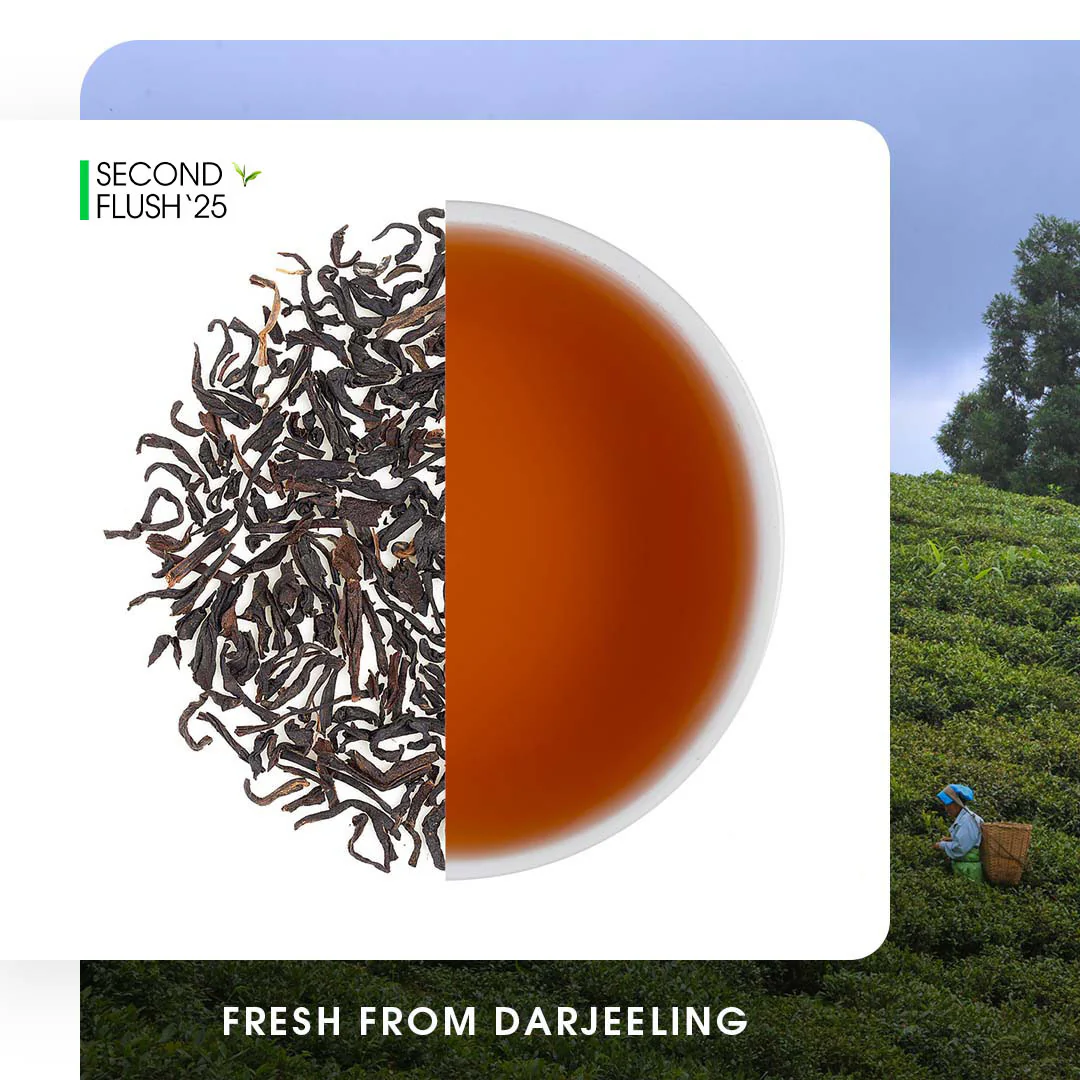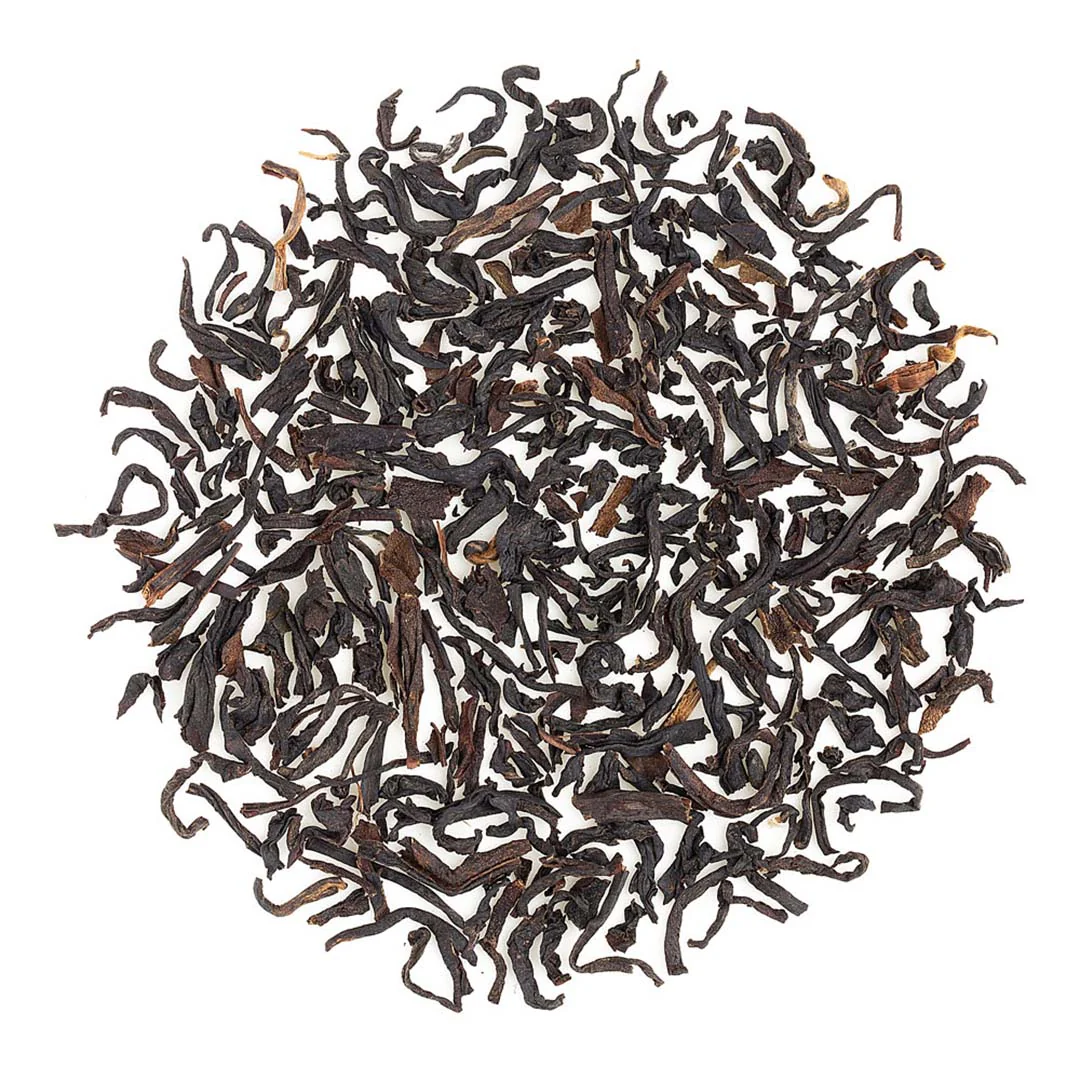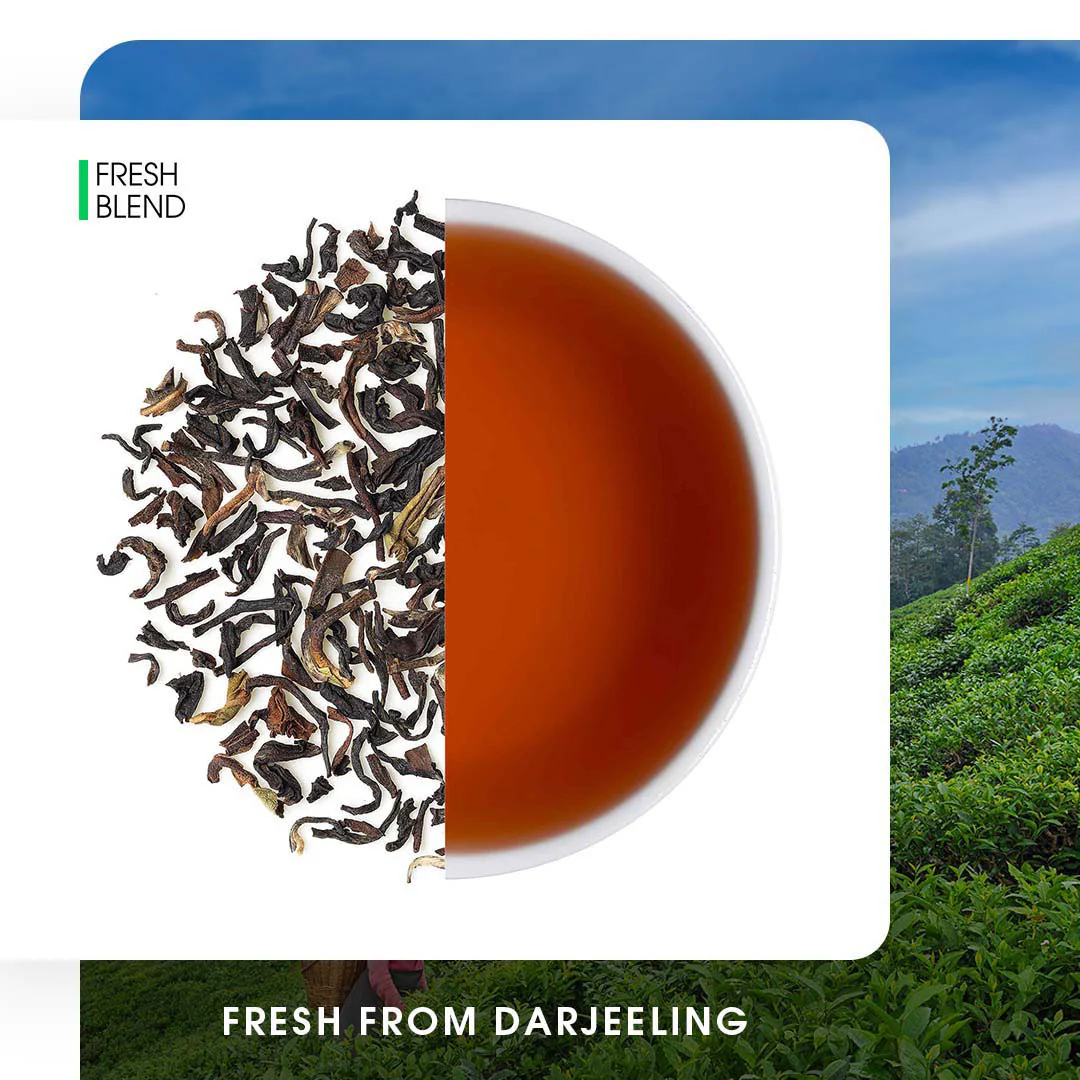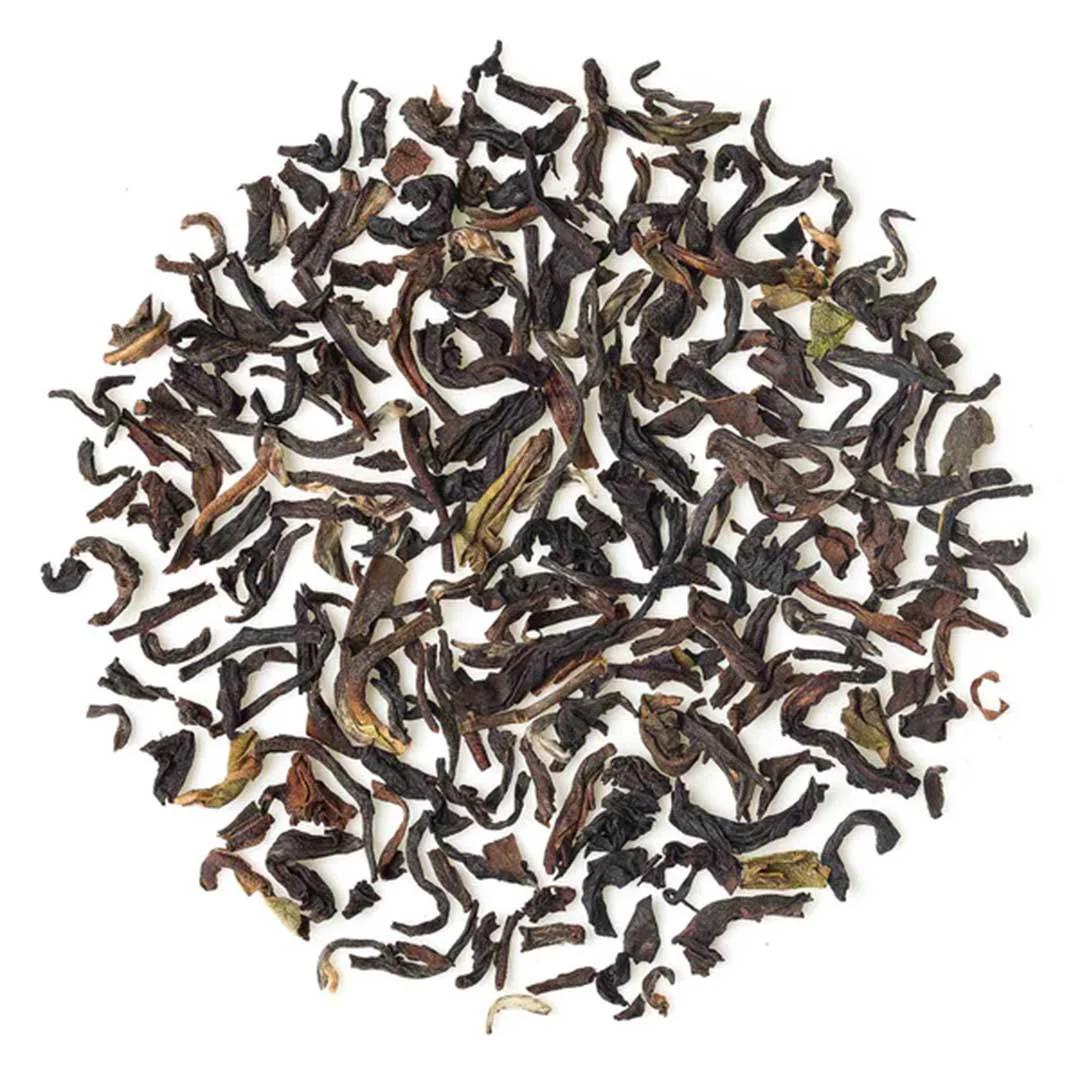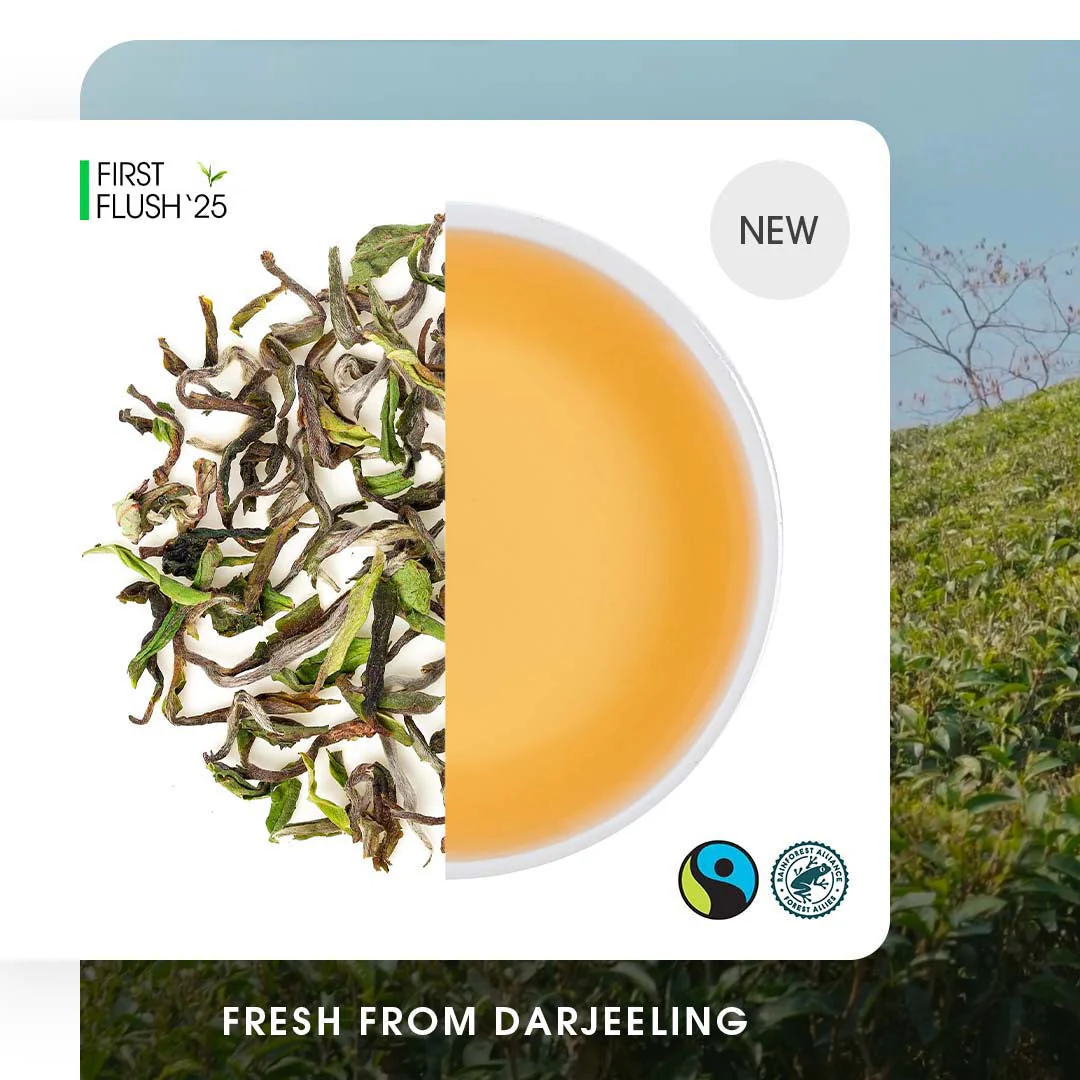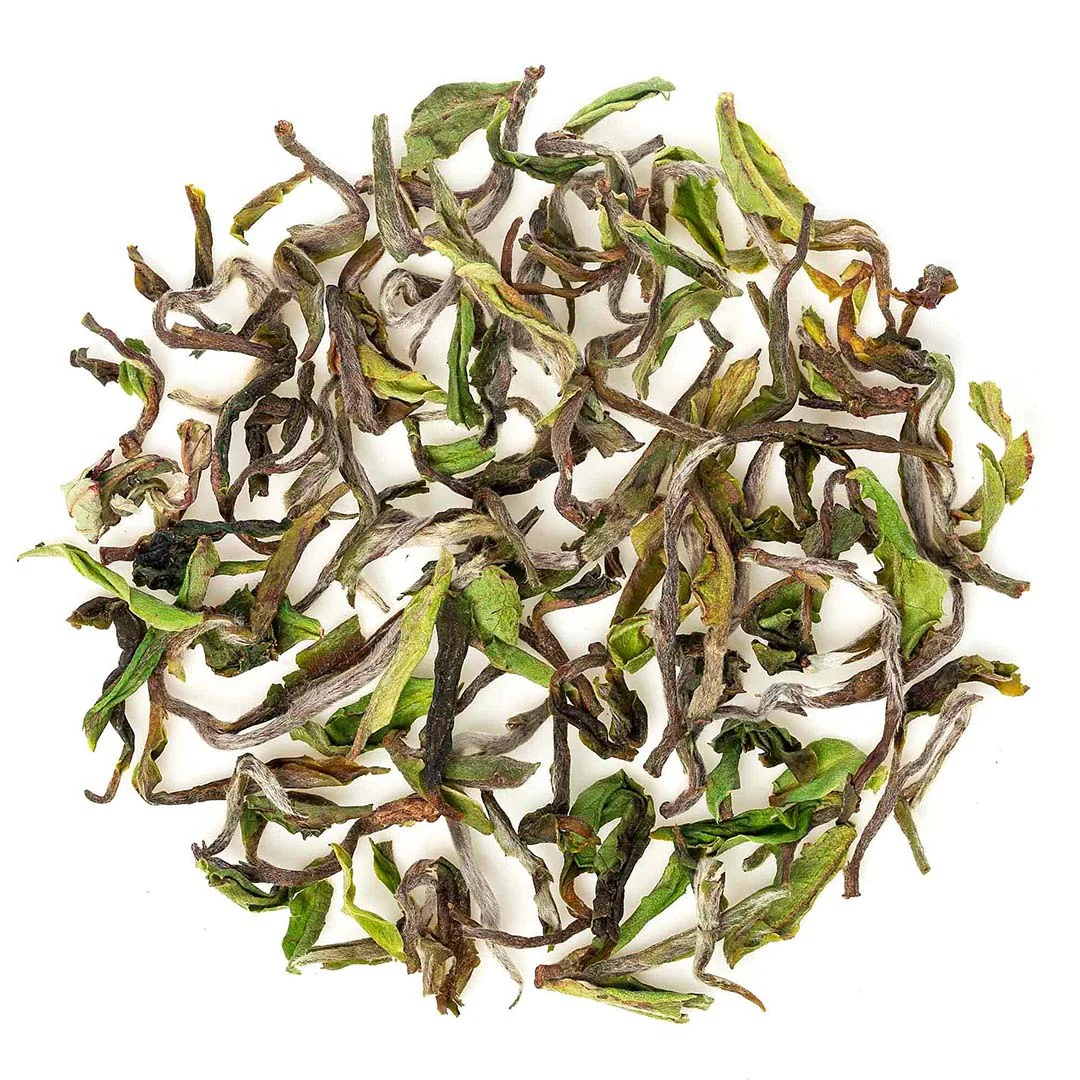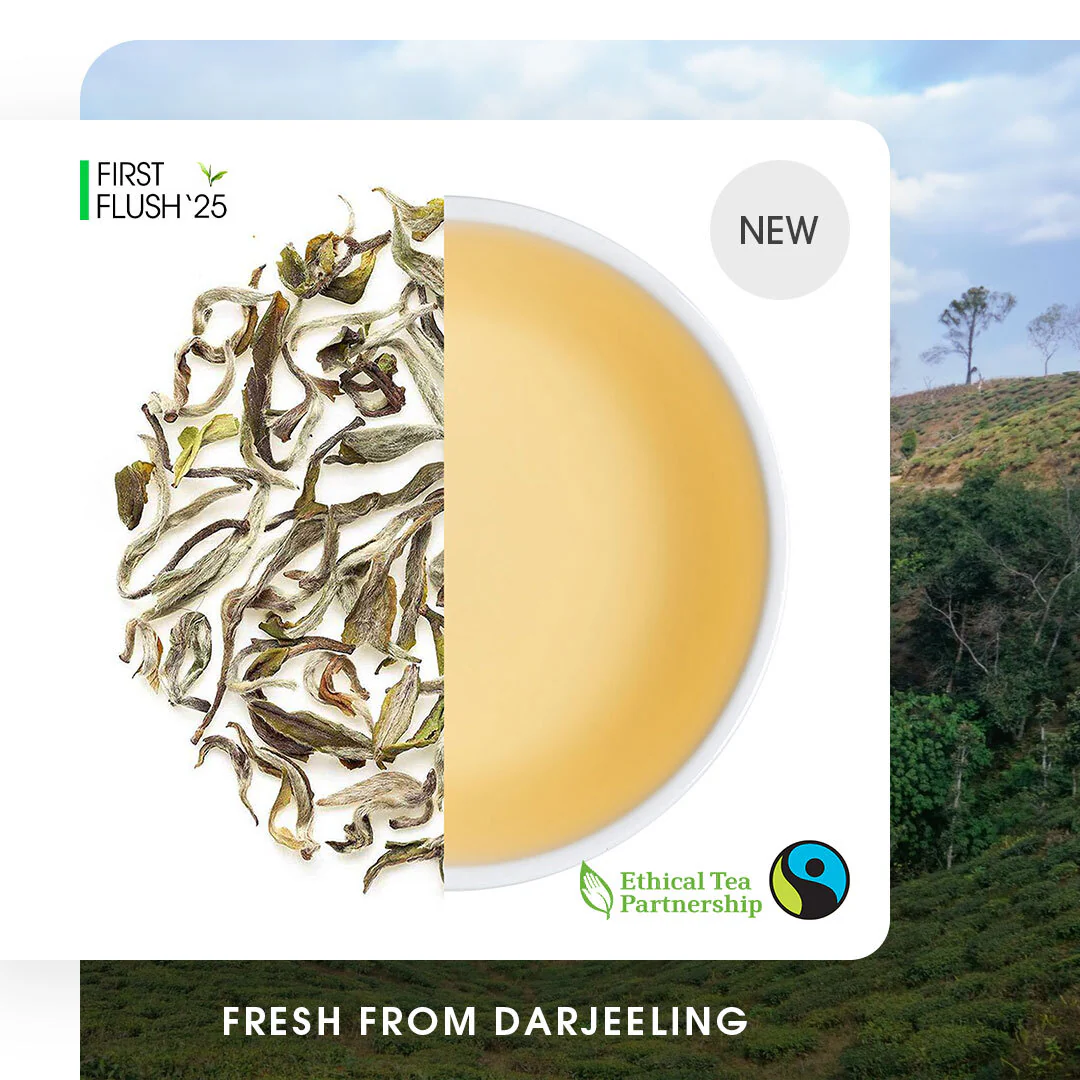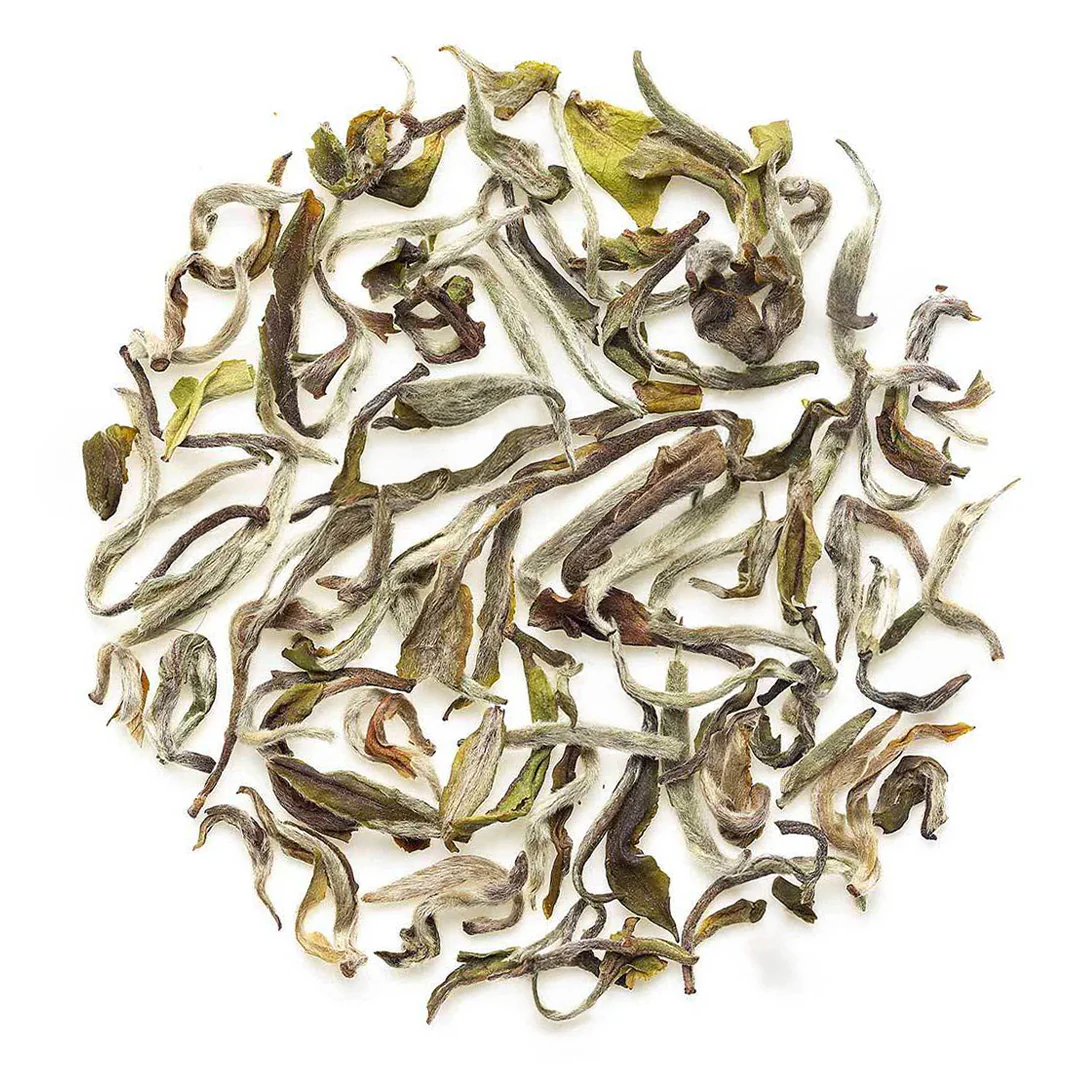
Darjeeling Upper Namring Spring Clonal Black (Limited Edition)
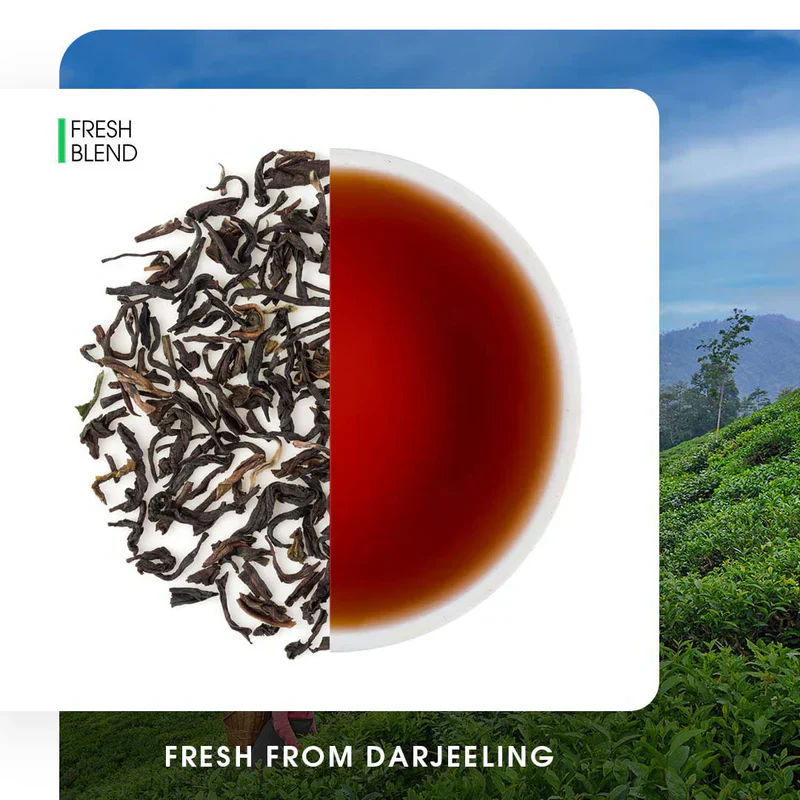
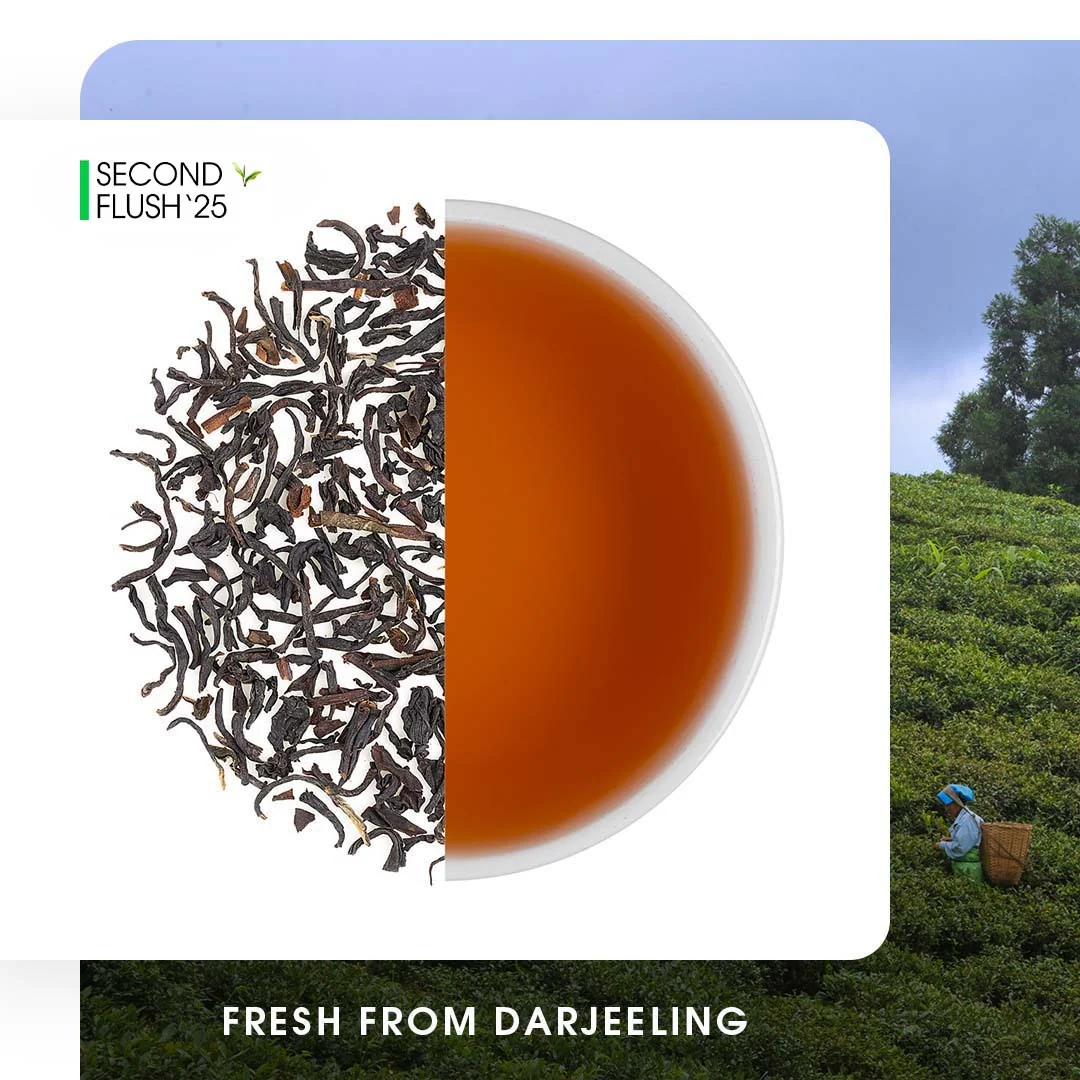
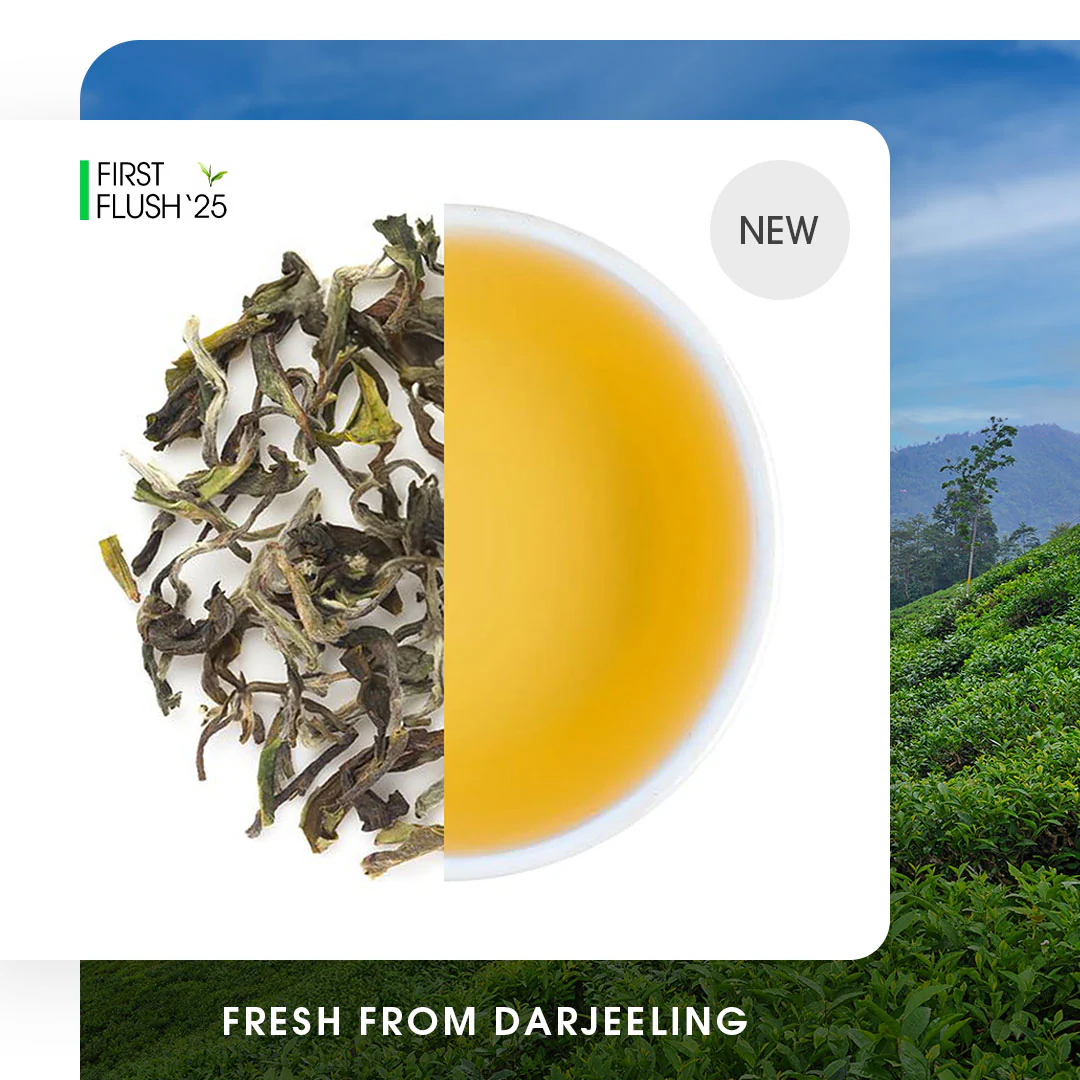
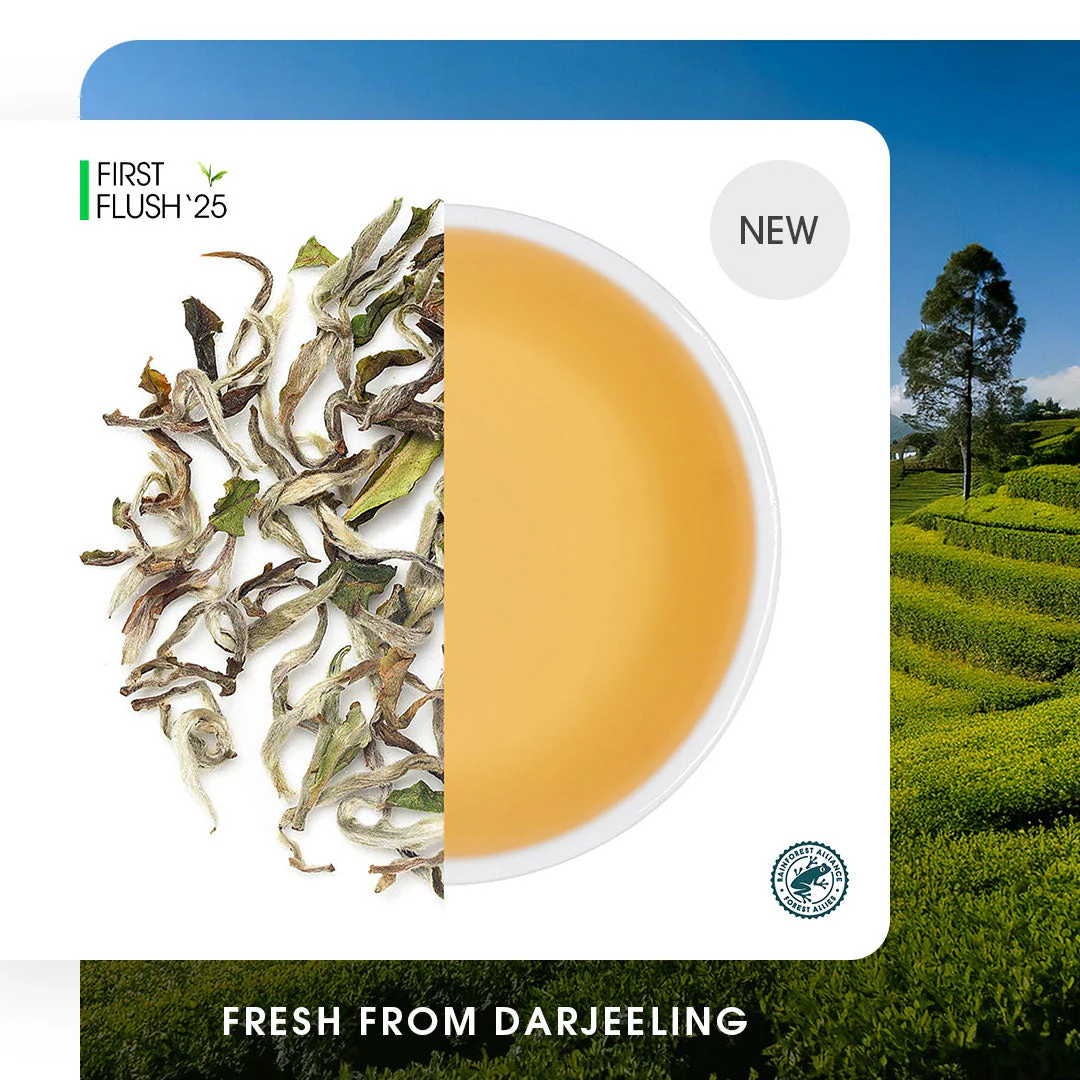
Founded in 1855, Namring Tea Estate is one of Darjeeling’s largest and oldest tea plantations, spanning over 1,000 hectares in the Teesta Valley. Divided into Upper and Lower Namring, it includes three historic sections—Poomong, Jinglam, and Namring—with elevations soaring beyond 1,700 meters. Nestled between the eastern slopes of Tiger Hill and the Teesta River, the estate enjoys an exceptional terroir, where mist-laden mornings, Himalayan sunshine, and mineral-rich soil create the ideal conditions for producing some of Darjeeling’s most aromatic and distinctive teas.
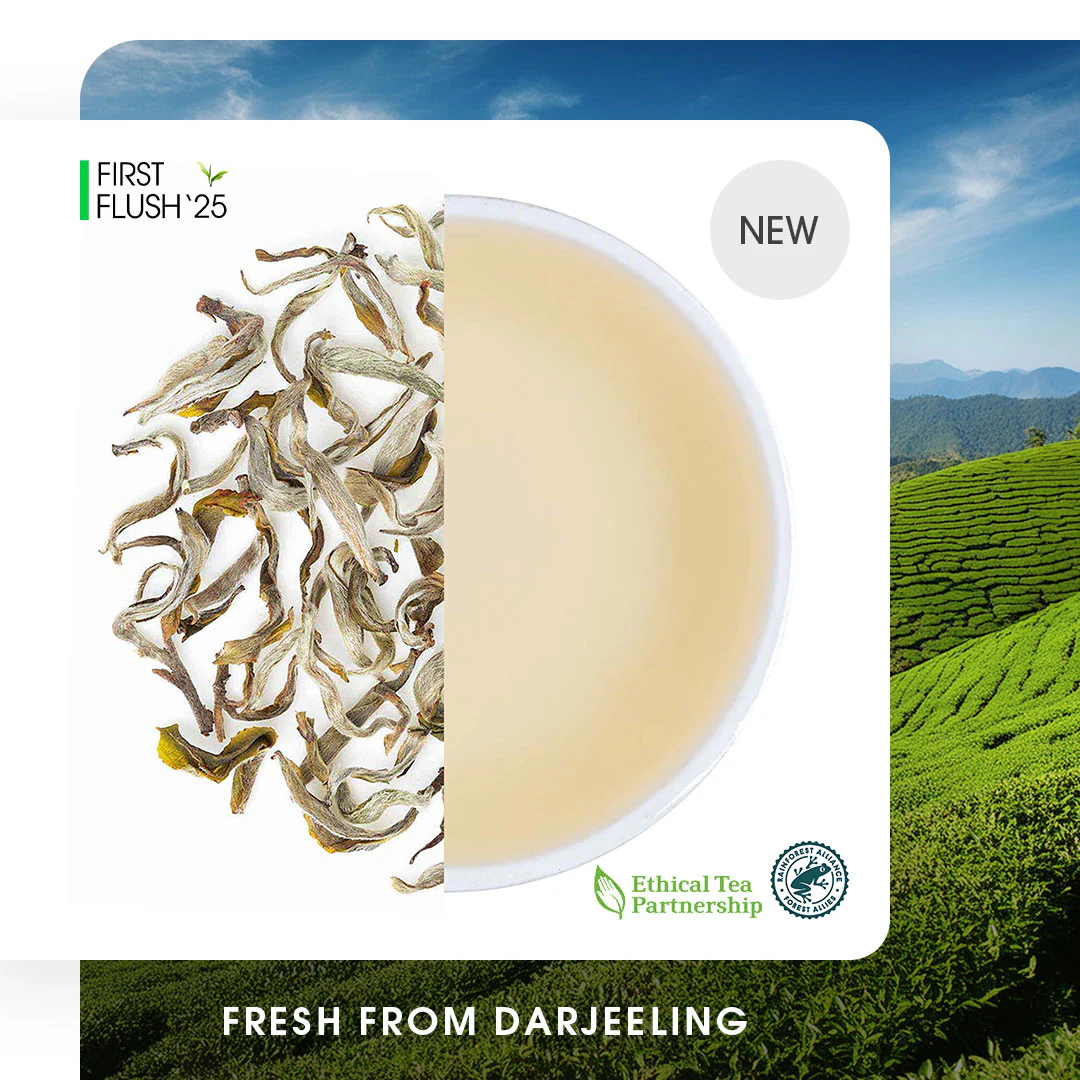
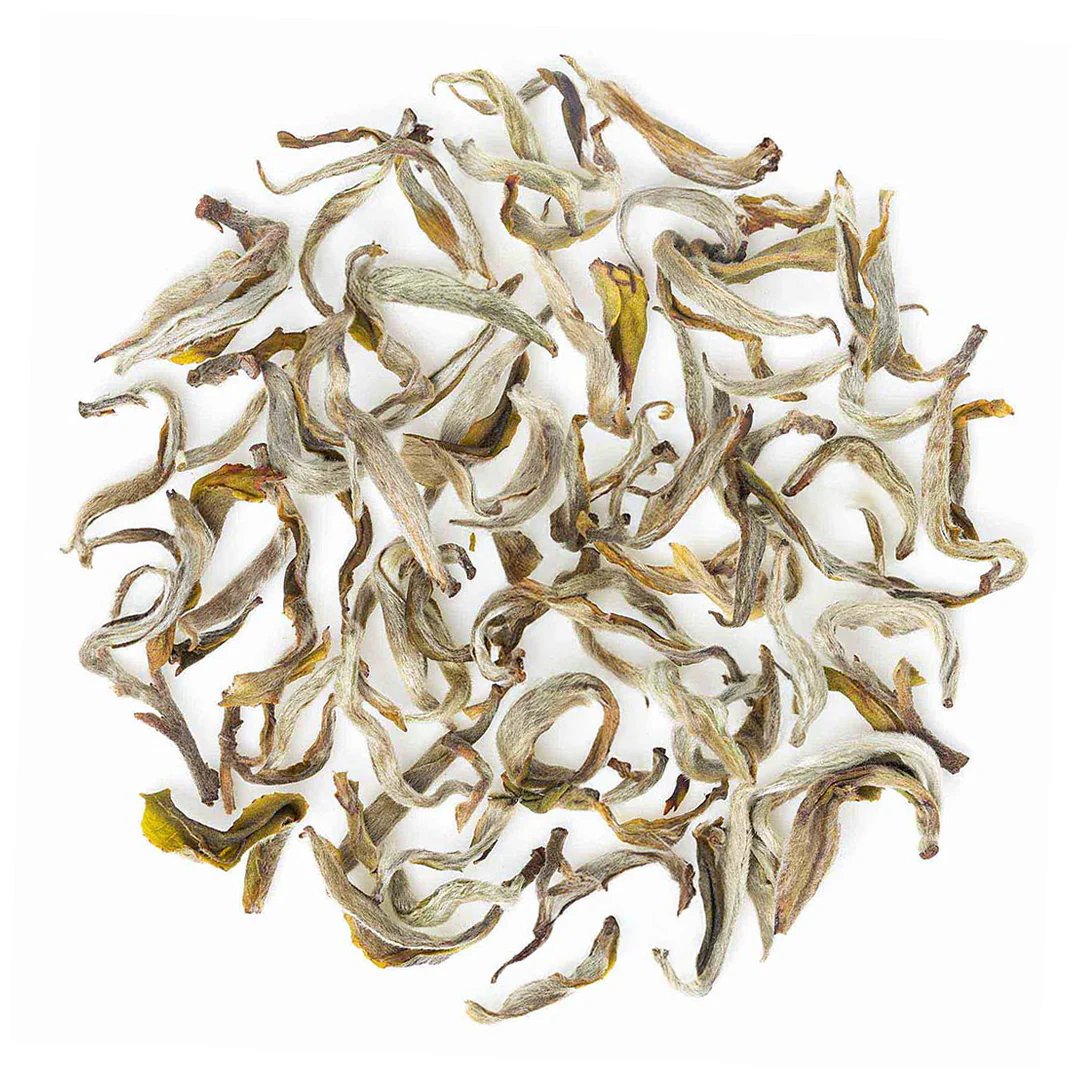
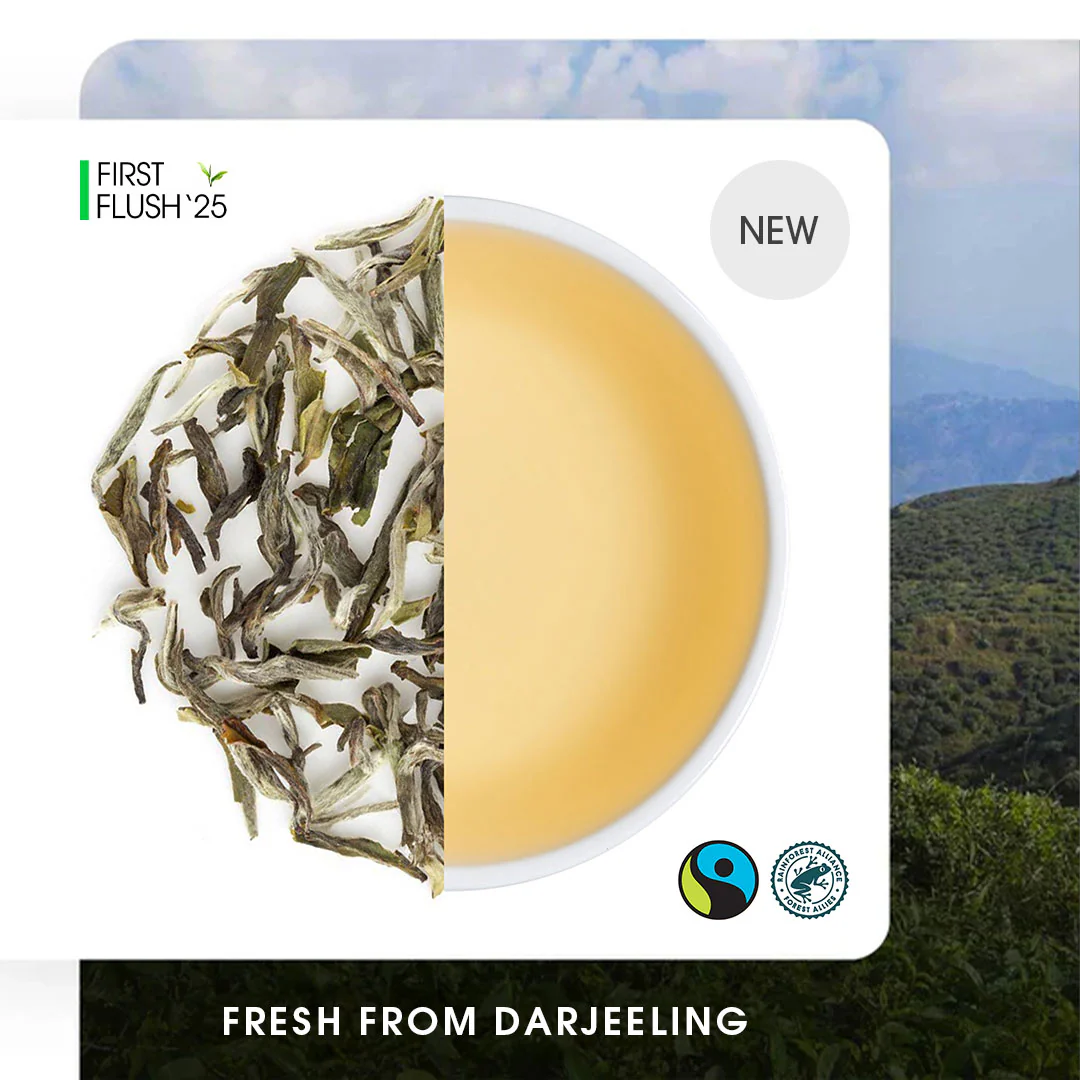
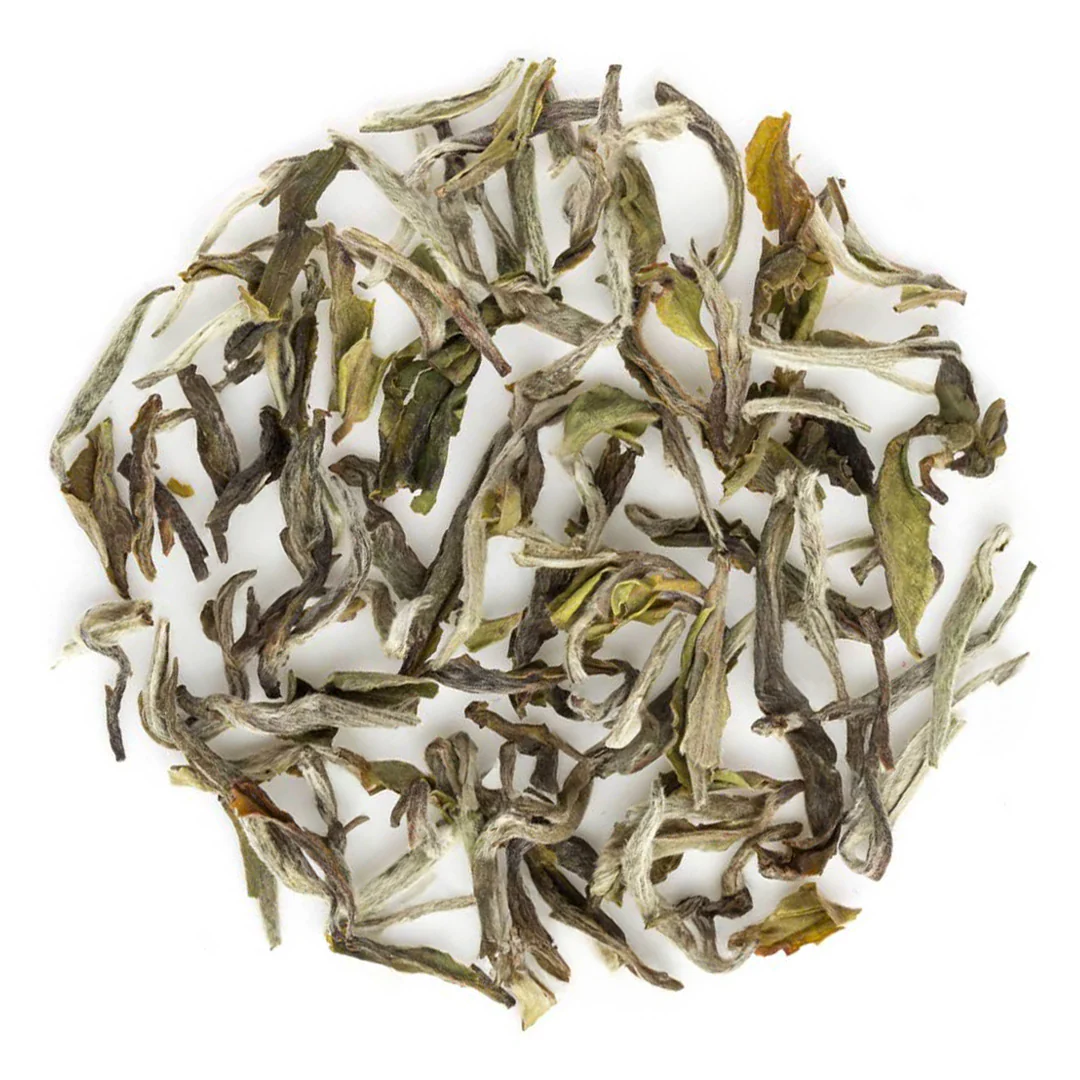
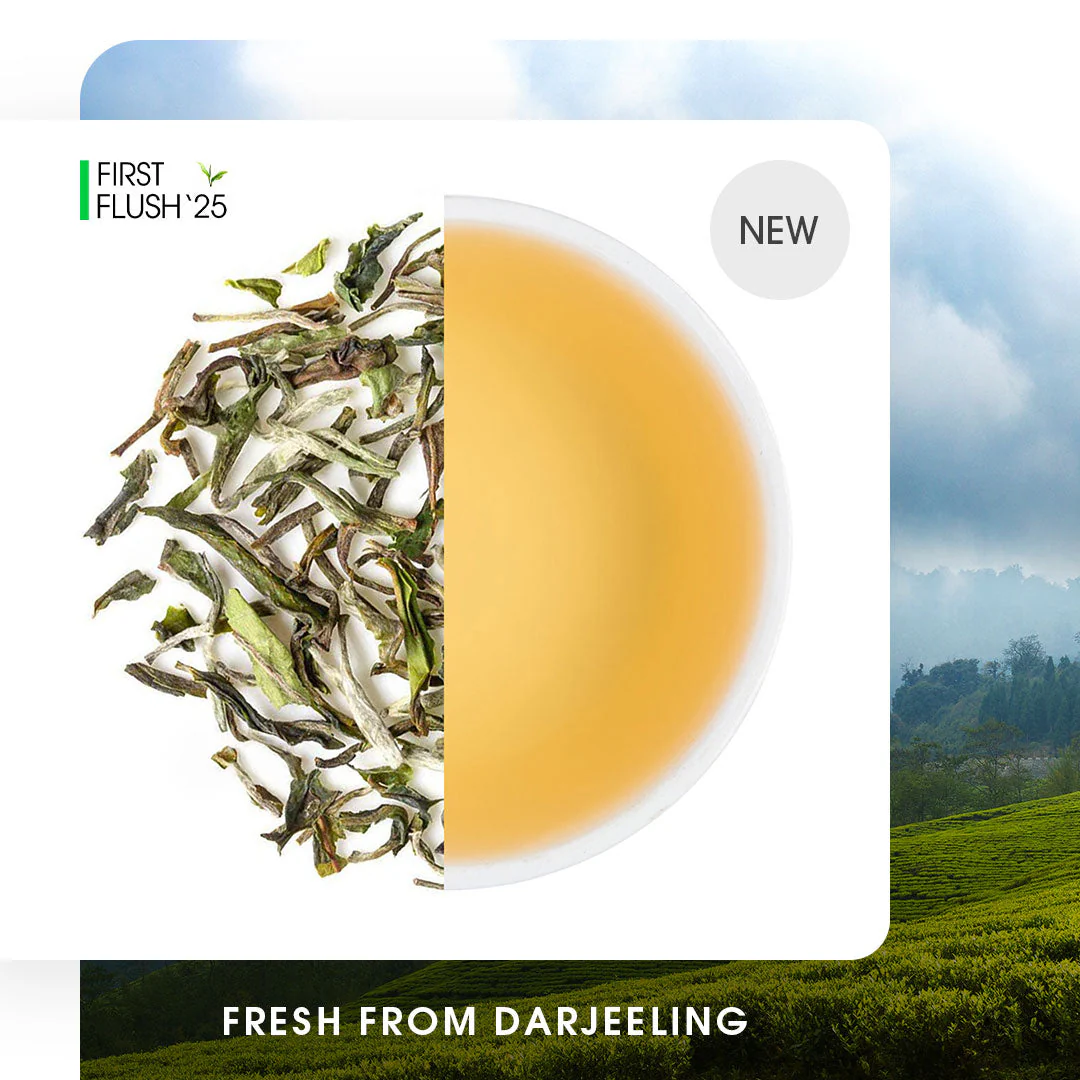
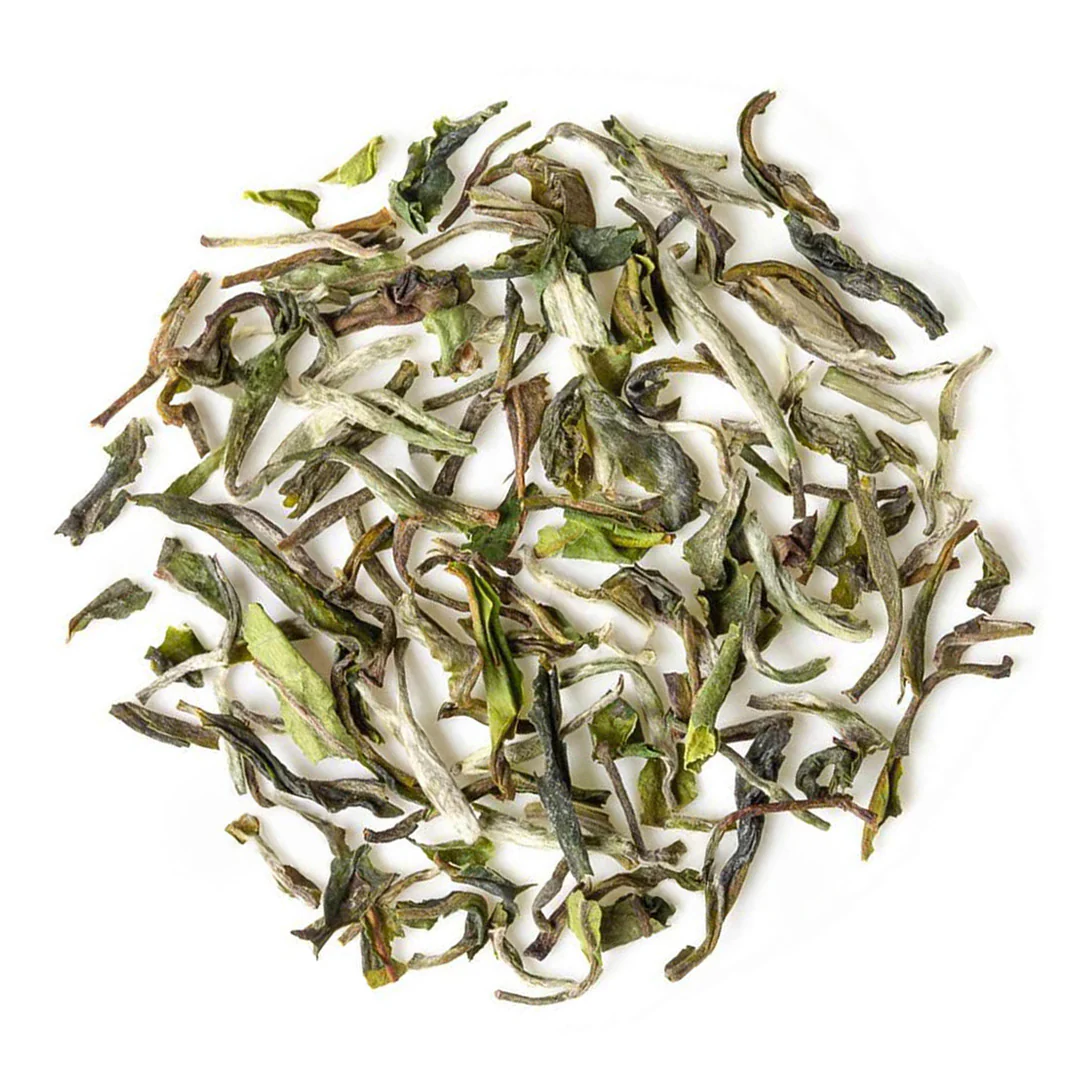
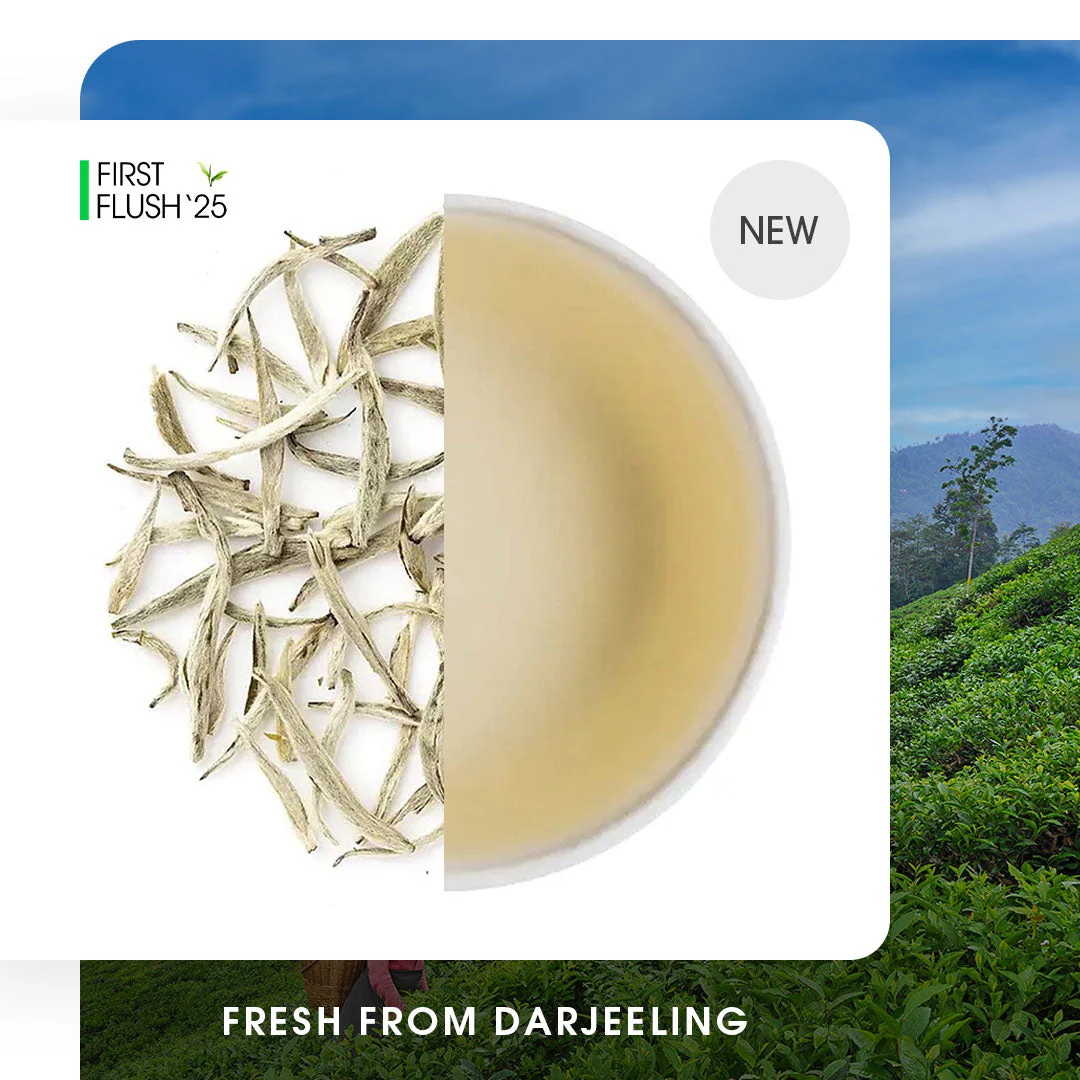
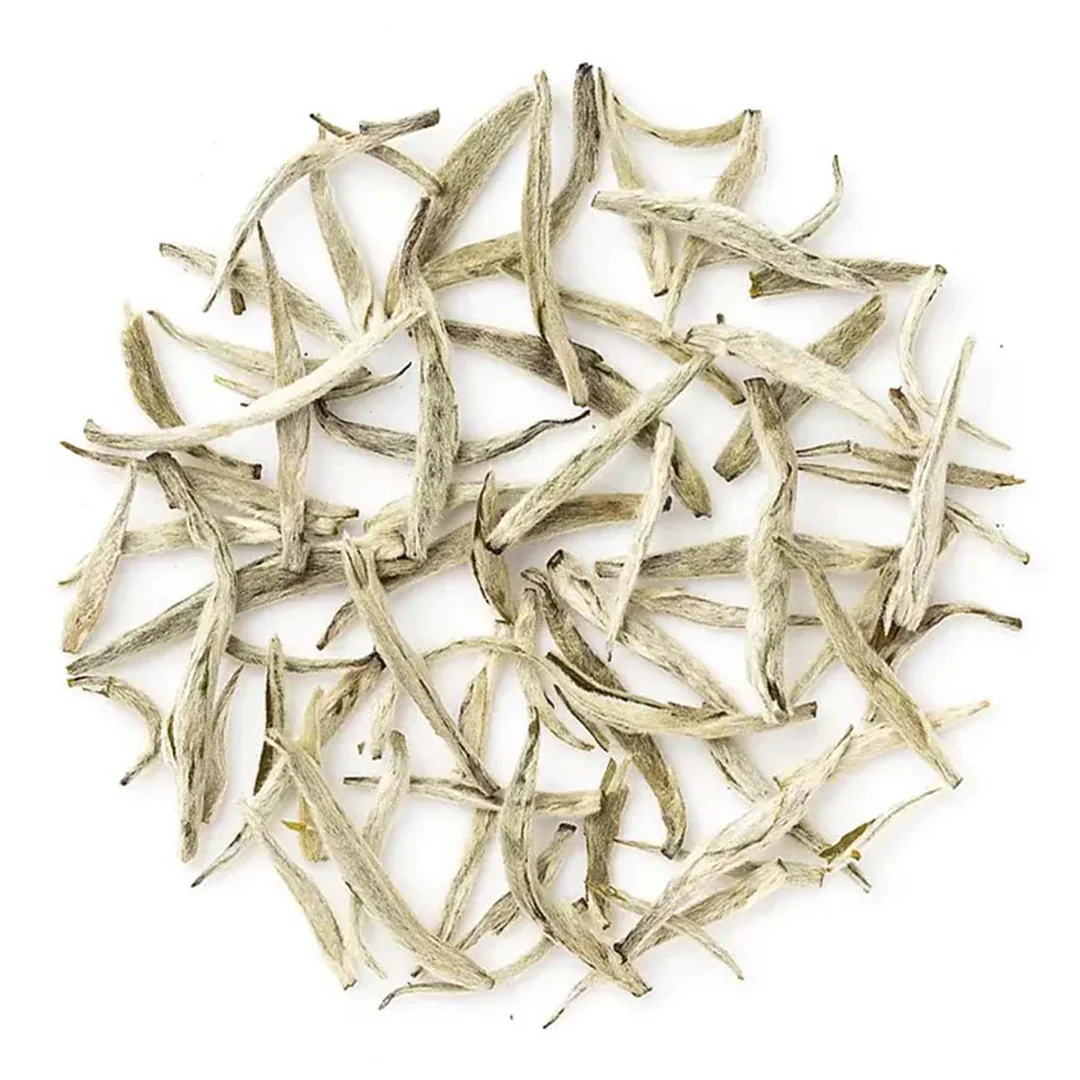
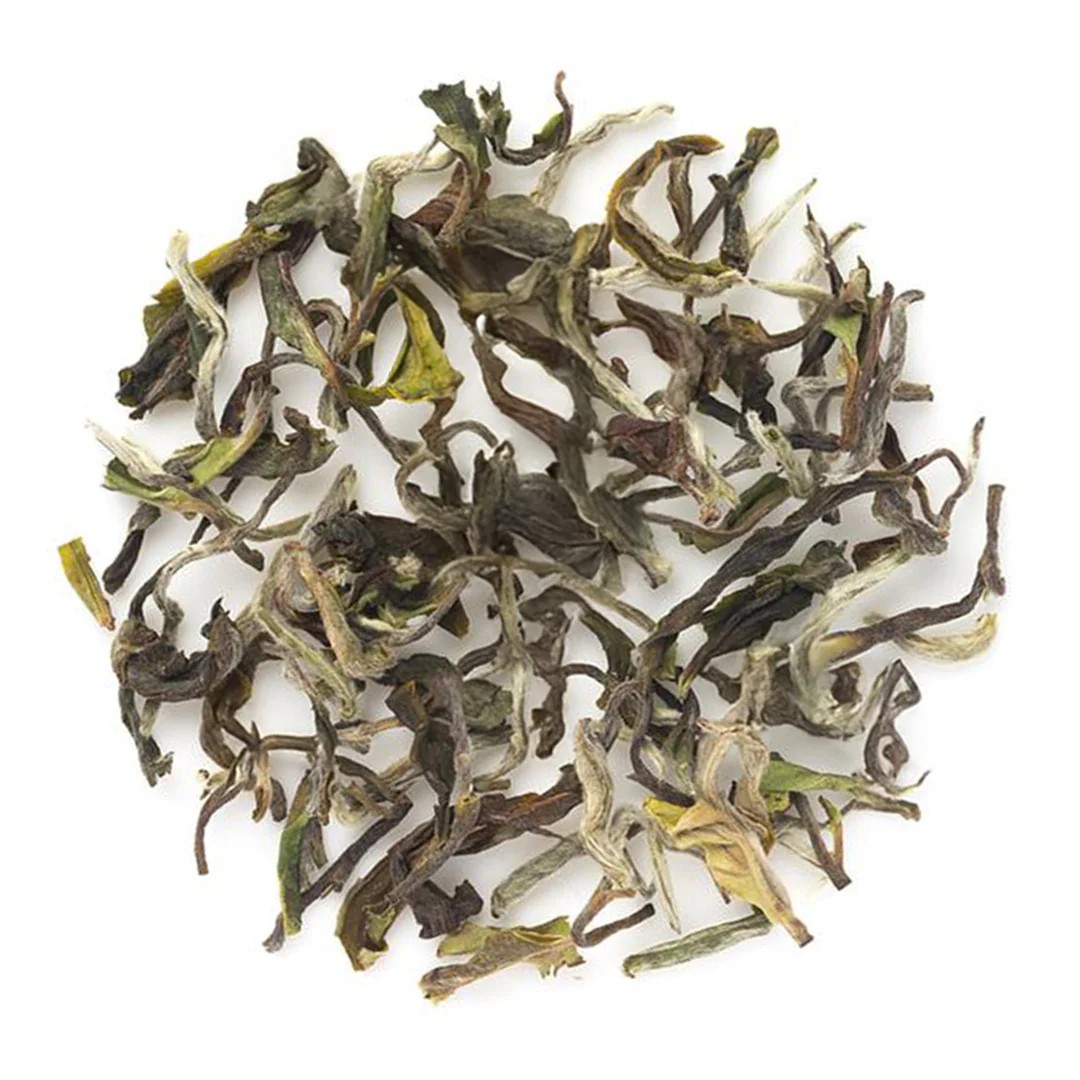
Traditionally planted with China seed bushes, the estate has since incorporated select clonal varietals, including the renowned AV2 (Ambari Vegetative 2), prized for its abundant silver buds and intensely fragrant character.
Namring’s commitment to excellence extends beyond its tea fields. With 450 hectares under cultivation, 85% of which are naturally irrigated by mountain springs from Tiger Hill, the estate maintains a harmonious balance between tradition and sustainability. Over generations, Namring has provided employment, housing, and infrastructure for its workers, featuring a tea factory, ropeway, hospital, and library, ensuring the well-being of its community.
This dedication to both craftsmanship and heritage has solidified Namring’s reputation as a producer of some of Darjeeling’s finest teas, sought after by connoisseurs and collectors worldwide.
Founded in 1855, Namring Tea Estate is one of Darjeeling’s largest and oldest tea plantations, spanning over 1,000 hectares in the Teesta Valley. Divided into Upper and Lower Namring, it includes three historic sections—Poomong, Jinglam, and Namring—with elevations soaring beyond 1,700 meters. Nestled between the eastern slopes of Tiger Hill and the Teesta River, the estate enjoys an exceptional terroir, where mist-laden mornings, Himalayan sunshine, and mineral-rich soil create the ideal conditions for producing some of Darjeeling’s most aromatic and distinctive teas.
Traditionally planted with China seed bushes, the estate has since incorporated select clonal varietals, including the renowned AV2 (Ambari Vegetative 2), prized for its abundant silver buds and intensely fragrant character.
Namring’s commitment to excellence extends beyond its tea fields. With 450 hectares under cultivation, 85% of which are naturally irrigated by mountain springs from Tiger Hill, the estate maintains a harmonious balance between tradition and sustainability. Over generations, Namring has provided employment, housing, and infrastructure for its workers, featuring a tea factory, ropeway, hospital, and library, ensuring the well-being of its community.
This dedication to both craftsmanship and heritage has solidified Namring’s reputation as a producer of some of Darjeeling’s finest teas, sought after by connoisseurs and collectors worldwide.
Original: $39.99
-70%$39.99
$12.00Description
Founded in 1855, Namring Tea Estate is one of Darjeeling’s largest and oldest tea plantations, spanning over 1,000 hectares in the Teesta Valley. Divided into Upper and Lower Namring, it includes three historic sections—Poomong, Jinglam, and Namring—with elevations soaring beyond 1,700 meters. Nestled between the eastern slopes of Tiger Hill and the Teesta River, the estate enjoys an exceptional terroir, where mist-laden mornings, Himalayan sunshine, and mineral-rich soil create the ideal conditions for producing some of Darjeeling’s most aromatic and distinctive teas.
Traditionally planted with China seed bushes, the estate has since incorporated select clonal varietals, including the renowned AV2 (Ambari Vegetative 2), prized for its abundant silver buds and intensely fragrant character.
Namring’s commitment to excellence extends beyond its tea fields. With 450 hectares under cultivation, 85% of which are naturally irrigated by mountain springs from Tiger Hill, the estate maintains a harmonious balance between tradition and sustainability. Over generations, Namring has provided employment, housing, and infrastructure for its workers, featuring a tea factory, ropeway, hospital, and library, ensuring the well-being of its community.
This dedication to both craftsmanship and heritage has solidified Namring’s reputation as a producer of some of Darjeeling’s finest teas, sought after by connoisseurs and collectors worldwide.