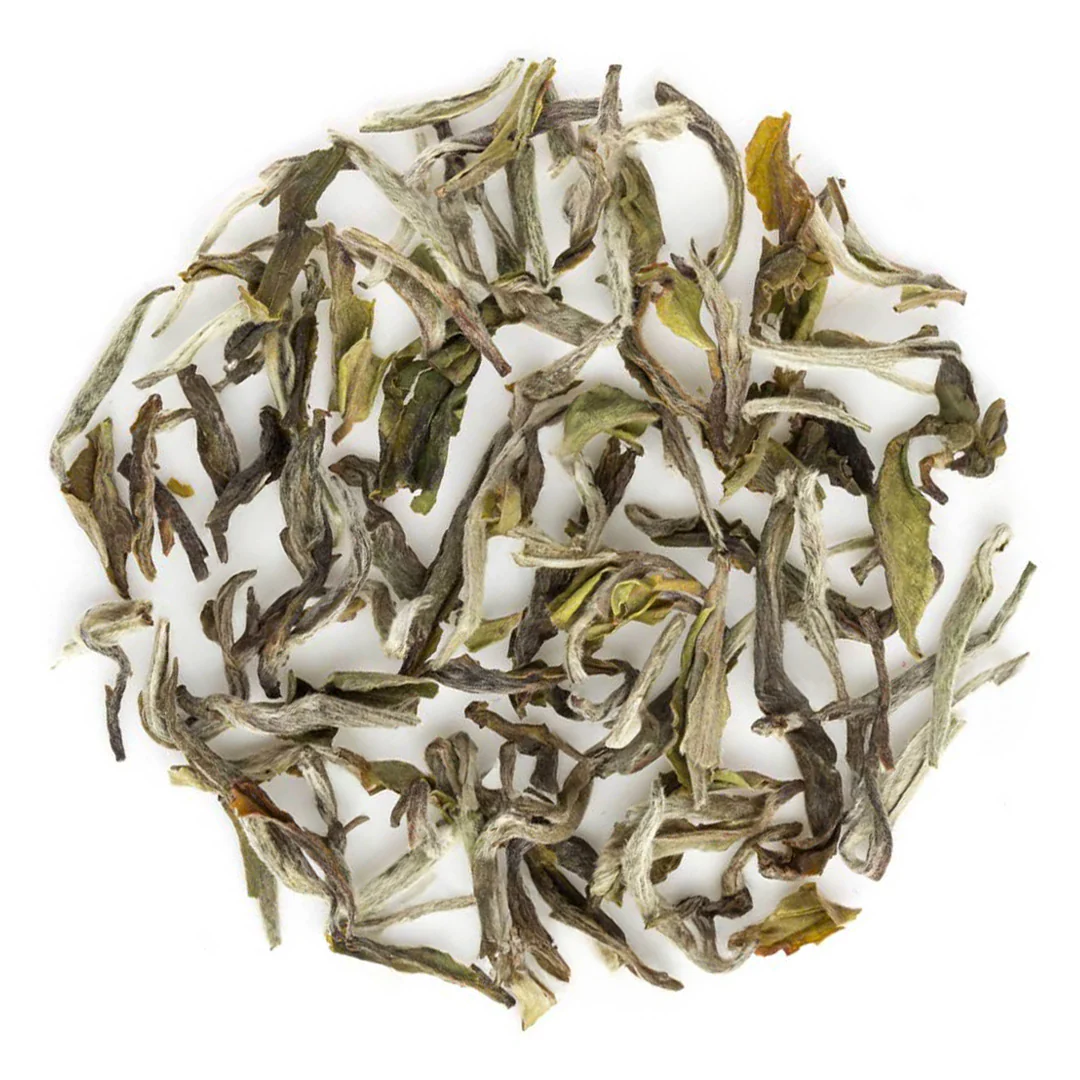
Darjeeling Okayti Autumn Chinary Black
Originally known as Rangdoo Estate, Okayti traces its heritage to the era when Darjeeling teas were prized fixtures at the London tea auctions. According to estate lore, early auctioneers, impressed by the teas from Rangdoo, simply remarked “OK”—a modest yet memorable endorsement that eventually shaped the name “Okayti.” Since then, the estate has stood as a hallmark of quality and Darjeeling’s enduring charm.
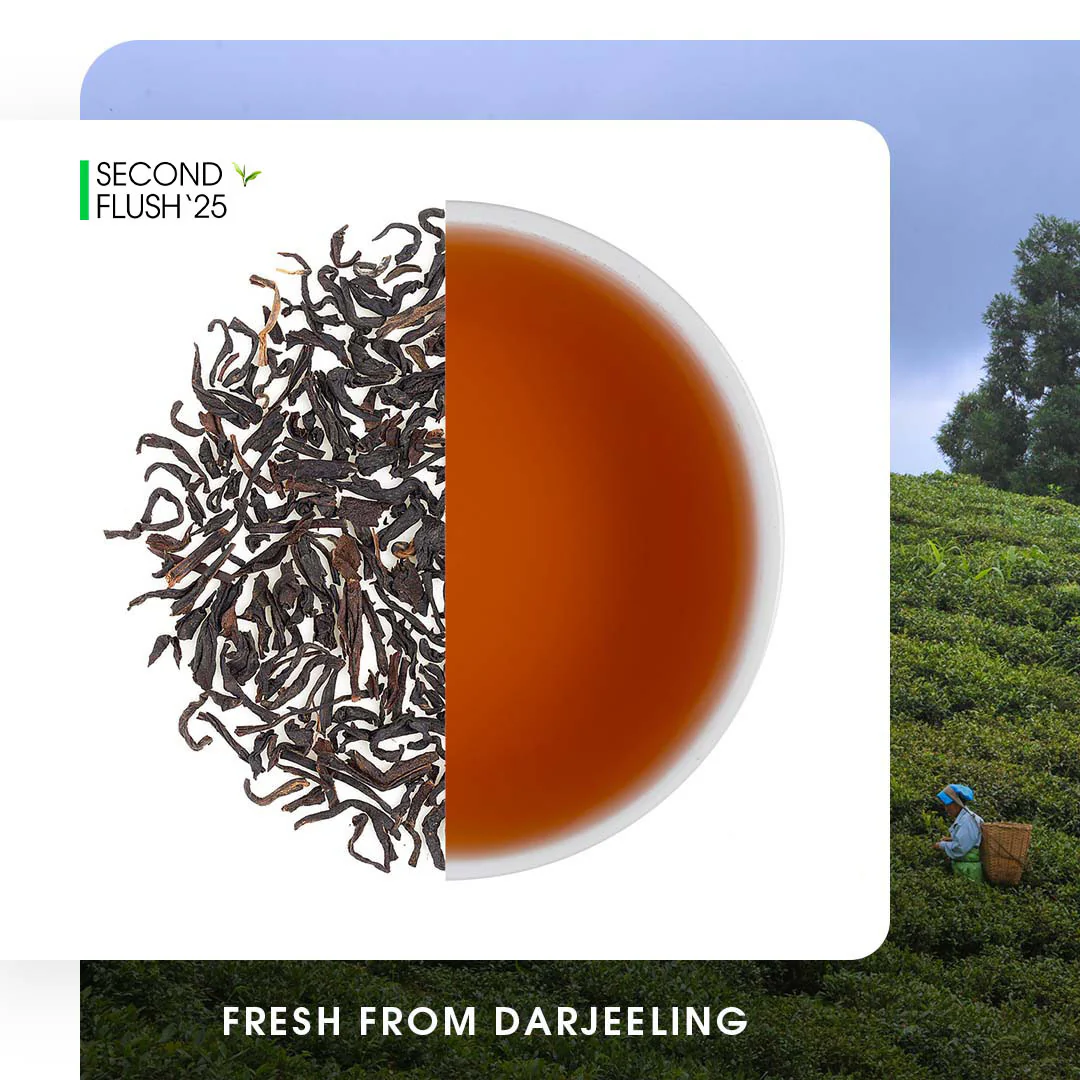
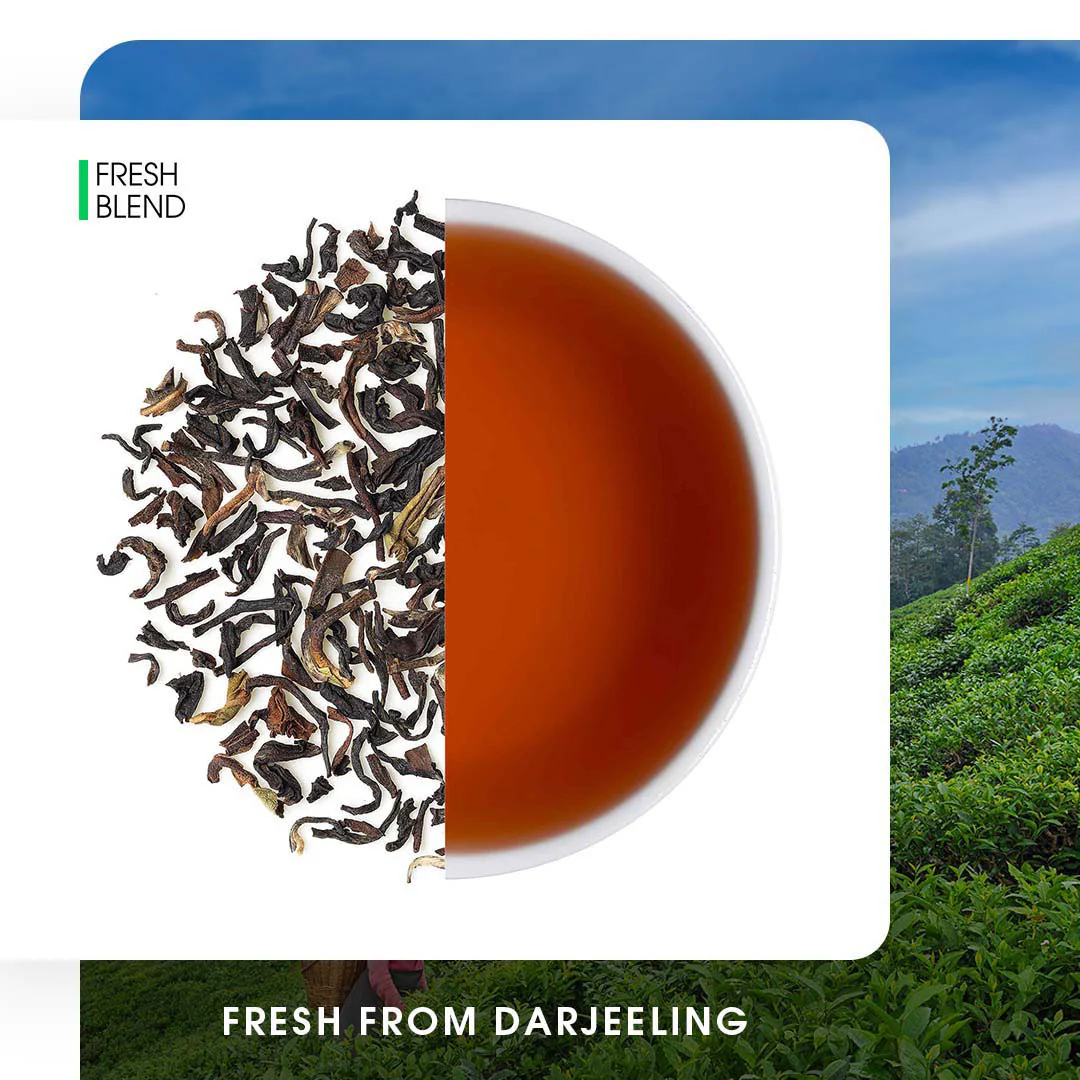
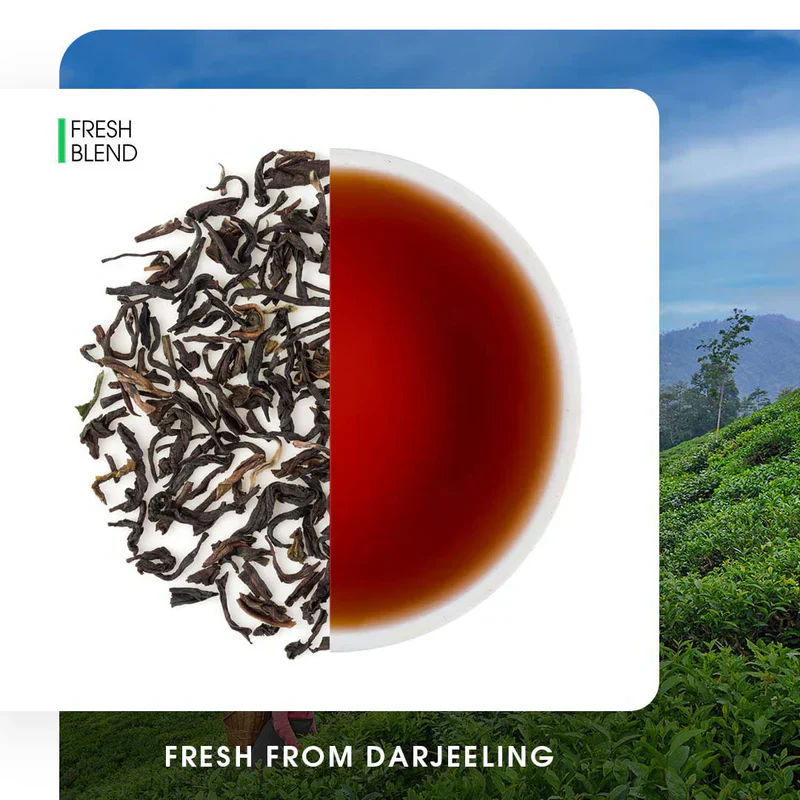
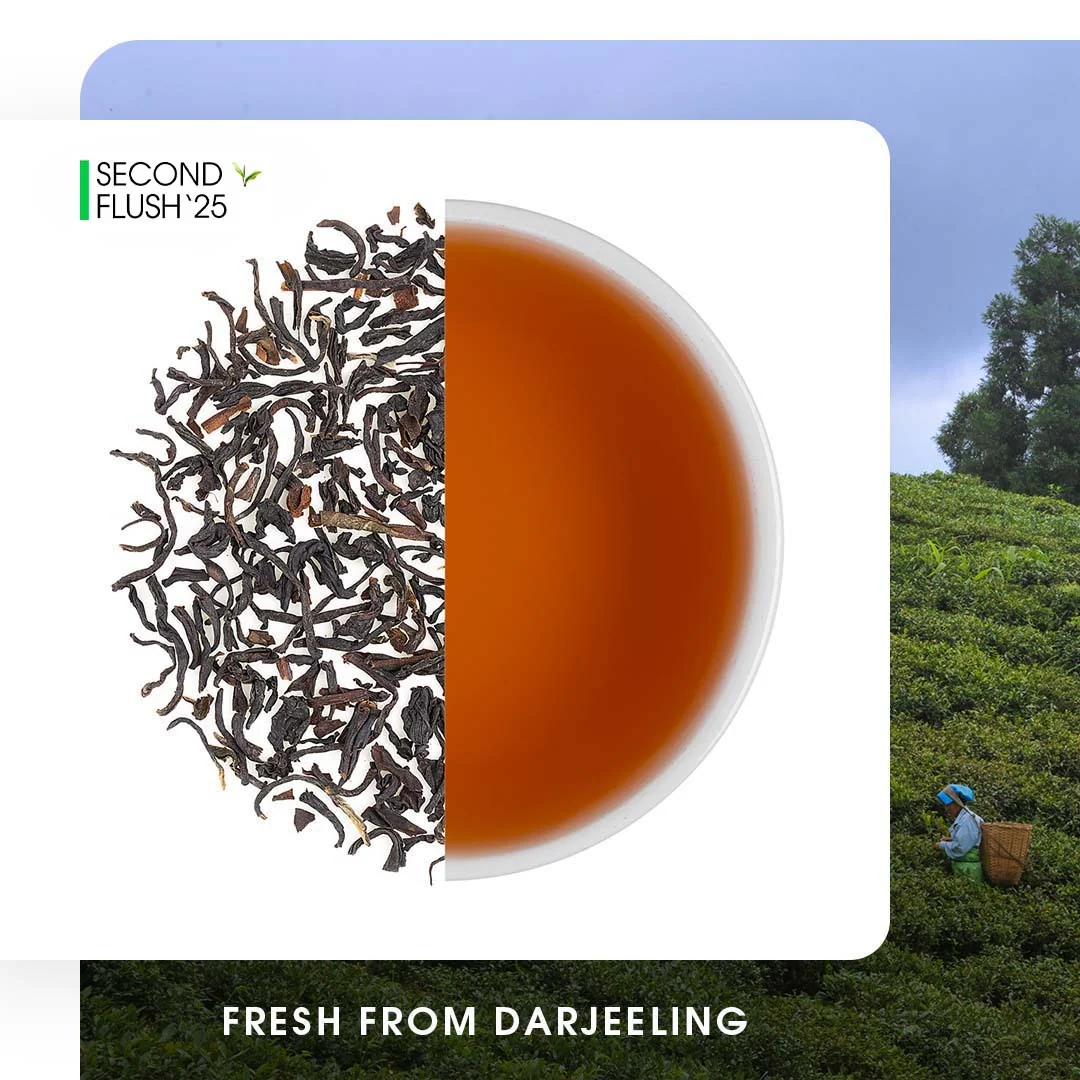
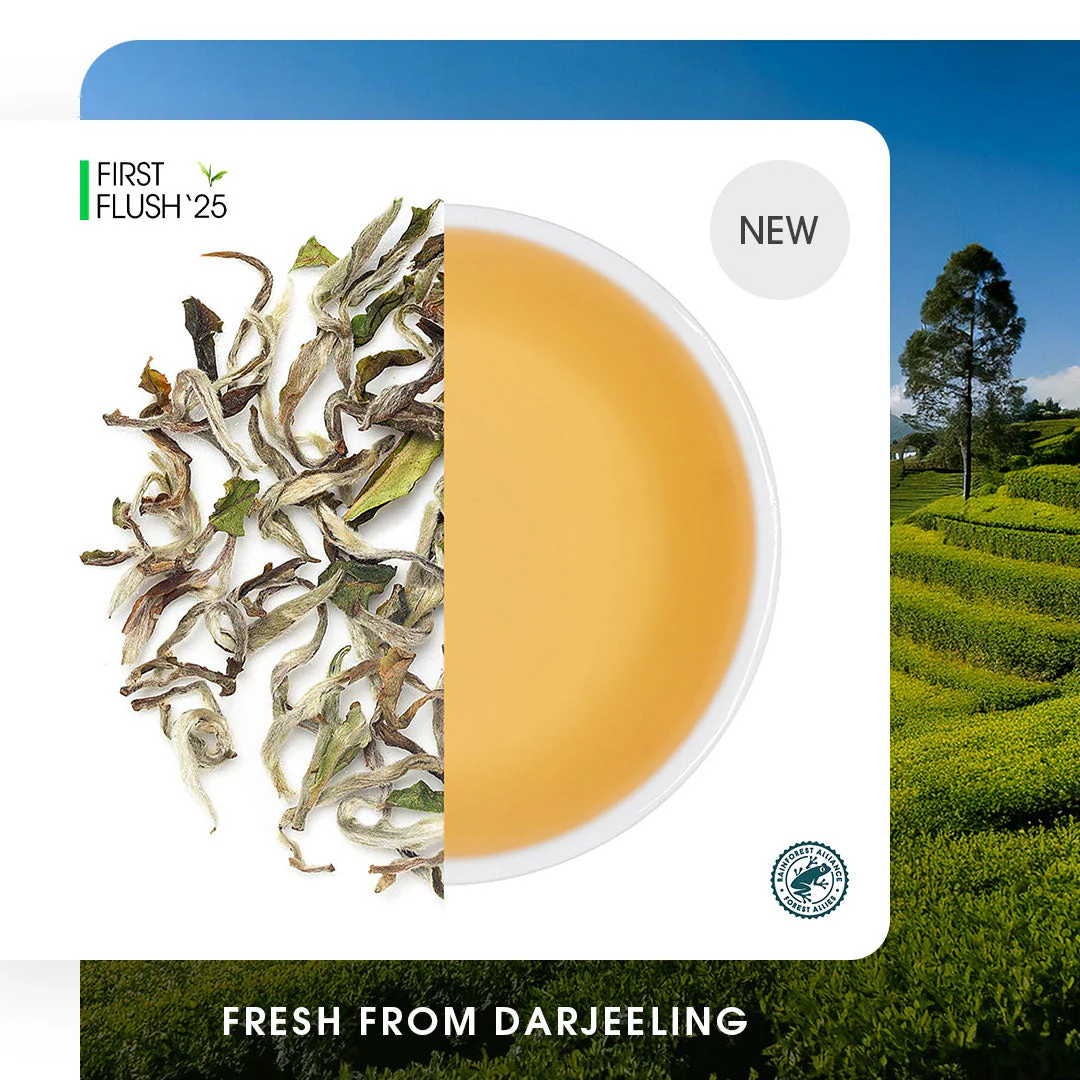
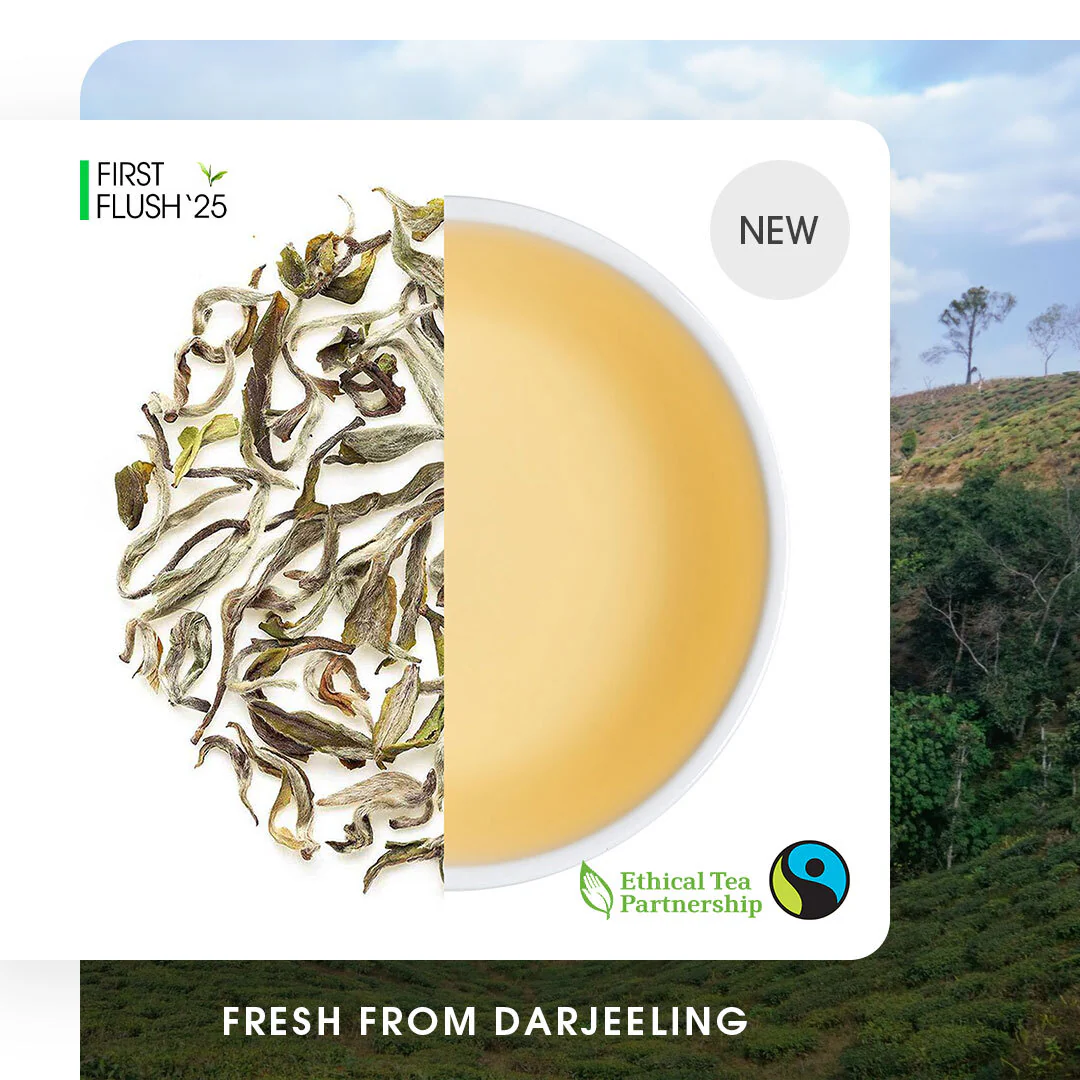
Set in the mist-covered slopes of Mirik Valley and established in the early 1870s, Okayti stretches from 4,000 to 6,200 feet above sea level. Its high-altitude terrain, cool mountain air, and mature Chinary bushes continue to produce teas of rare finesse—cherished by connoisseurs around the world.
Originally known as Rangdoo Estate, Okayti traces its heritage to the era when Darjeeling teas were prized fixtures at the London tea auctions. According to estate lore, early auctioneers, impressed by the teas from Rangdoo, simply remarked “OK”—a modest yet memorable endorsement that eventually shaped the name “Okayti.” Since then, the estate has stood as a hallmark of quality and Darjeeling’s enduring charm.
Set in the mist-covered slopes of Mirik Valley and established in the early 1870s, Okayti stretches from 4,000 to 6,200 feet above sea level. Its high-altitude terrain, cool mountain air, and mature Chinary bushes continue to produce teas of rare finesse—cherished by connoisseurs around the world.
Original: $16.99
-70%$16.99
$5.10Description
Originally known as Rangdoo Estate, Okayti traces its heritage to the era when Darjeeling teas were prized fixtures at the London tea auctions. According to estate lore, early auctioneers, impressed by the teas from Rangdoo, simply remarked “OK”—a modest yet memorable endorsement that eventually shaped the name “Okayti.” Since then, the estate has stood as a hallmark of quality and Darjeeling’s enduring charm.
Set in the mist-covered slopes of Mirik Valley and established in the early 1870s, Okayti stretches from 4,000 to 6,200 feet above sea level. Its high-altitude terrain, cool mountain air, and mature Chinary bushes continue to produce teas of rare finesse—cherished by connoisseurs around the world.